I was halfway through a frantic dinner rush, juggling a blender, a skillet, and a phone call when the stove suddenly exploded with a loud pop. The smoke alarm blared like a frantic drummer, and I stared at the charred pan in disbelief, feeling the sting of embarrassment. That night, after the chaos, I sat at my kitchen counter with a handful of pantry staples and whispered, “If I can survive this mess, I can master a dish that tastes like a hug.” The idea that a simple, one‑pan recipe could turn a kitchen disaster into a triumph was the spark that ignited this version.
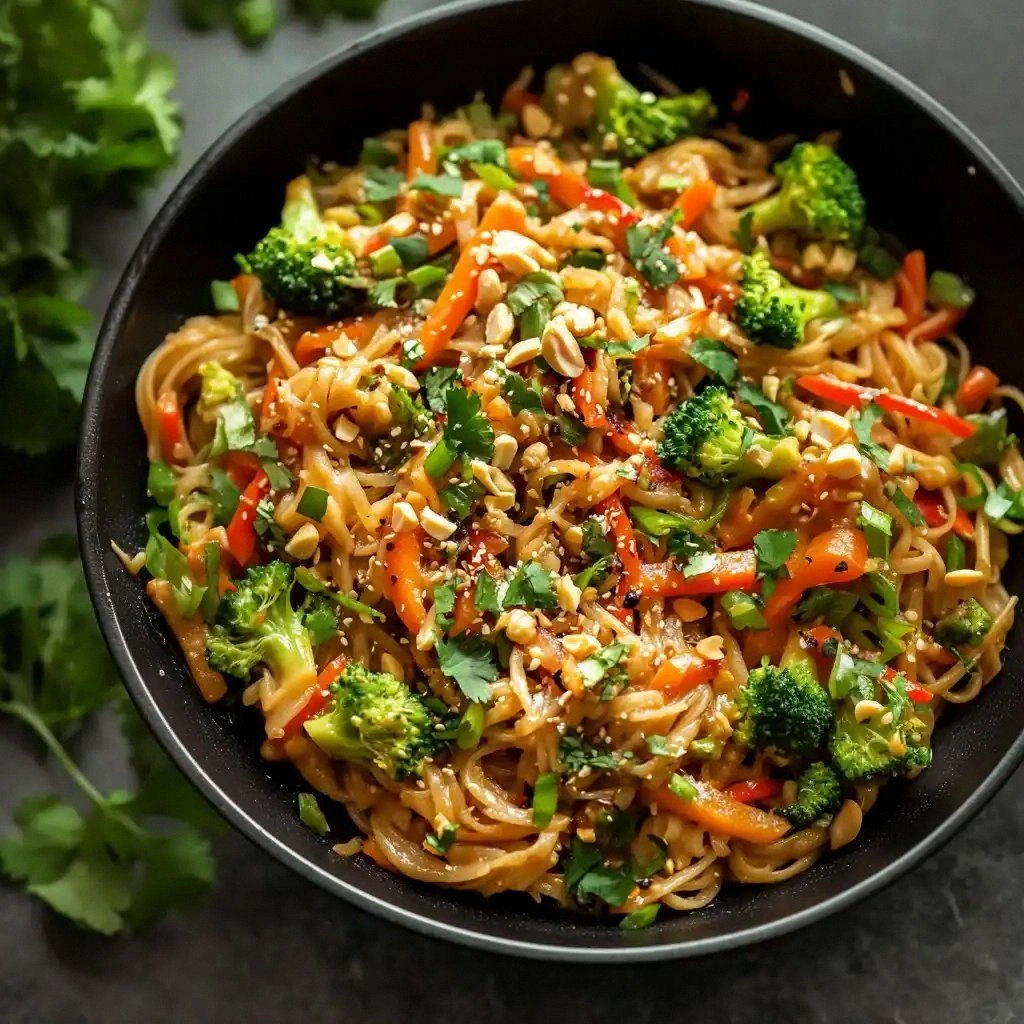
Picture the moment the sauce hits the hot skillet: a golden swirl that coats the noodles like velvet, the aroma of toasted sesame oil mingling with the sharp bite of fresh ginger. The sound is a satisfying hiss, the heat a comforting warmth that makes the kitchen feel like a cozy, bustling marketplace. The first bite delivers a sweet‑savory explosion, the peanuts crunching against the tender broccoli, while the fresh cilantro lifts the entire dish with a bright, herbal finish. The texture is a dance of silky noodles, crisp vegetables, and a sauce that glides, not clumps, across every strand. The last spoonful lingers on your tongue, leaving a faint trace of lime and a whisper of heat that beckons you to another round.
What sets this recipe apart is its unapologetic simplicity fused with a depth of flavor that would make any chef pause. It’s a single‑pan wonder that balances protein, veggies, and carbs without sacrificing taste. The sauce, a marriage of peanut butter, soy, and maple syrup, is thick enough to cling yet thin enough to coat, a texture that feels both indulgent and healthy. The vegetables are prepped in a way that maximizes their natural crunch, and the noodles are cooked al dente to absorb the sauce perfectly. Most recipes get this completely wrong, leaving noodles soggy or sauce too thin; here, everything is engineered to work in concert. And the best part? It’s ready in twenty minutes, so even the busiest of us can enjoy a restaurant‑grade dish at home.
I dare you to taste this and not go back for seconds. Picture yourself pulling this out of the pan, the whole kitchen smelling incredible, and your friends lining up for a bite. The next part of this post will walk you through every single step—by the end, you'll wonder how you ever made it any other way. Let’s dive in.
What Makes This Version Stand Out
- Flavor Fusion: The sauce marries sweet, salty, and spicy notes into a single, harmonious bite that feels like a passport to Asia and comfort food in one.
- Texture Triumph: Noodles stay al dente, vegetables maintain a crisp bite, and the peanut sauce provides a silky coating that never clumps.
- Time Efficiency: Every step is designed to fit into a twenty‑minute window, making it the ultimate dinner for weeknights.
- Ingredient Flexibility: Swap soy for tamari, maple syrup for honey, or noodles for rice—each change preserves the core flavor profile.
- Make‑Ahead Potential: The sauce can be pre‑mixed and stored, and the dish can be reheated with a splash of water to revive its silky texture.
- Visual Appeal: The vibrant colors of red bell pepper, green onions, and cilantro create a dish that looks as good as it tastes.
- Healthy Balance: The recipe offers a balanced mix of protein, healthy fats, and fiber without compromising flavor.
Inside the Ingredient List
The Flavor Base
Peanut butter is the heart of this sauce, providing a creamy, nutty backbone that balances the heat from sriracha. Soy sauce or tamari adds depth and umami, while sesame oil brings a toasted, nutty aroma that elevates the entire dish. The lime juice or rice vinegar cuts through the richness, brightening the sauce and preventing it from feeling heavy. Maple syrup or honey introduces a gentle sweetness that lingers on the palate, making each bite feel indulgent without being cloying. Skipping any of these components will leave the sauce flat; each one plays a role in the flavor orchestra.
The Texture Crew
Noodles are the canvas, absorbing the sauce while maintaining their al dente bite. Carrots and broccoli add a satisfying crunch and a pop of color, while green onions bring a sharp, fresh note that balances the richness of the sauce. The crushed peanuts add a delightful crunch that contrasts with the smooth sauce, and the fresh cilantro offers a burst of herbal brightness. The water, though seemingly innocuous, helps create a silky sauce that clings to every noodle strand. If you’re using rice noodles, consider soaking them in warm water for a minute before cooking to keep them from sticking.
The Unexpected Star
Sriracha or red pepper flakes are the secret agents of heat, delivering a subtle kick that doesn’t overwhelm the dish. Fresh ginger and garlic are the aromatic duo that brings depth and a lingering warmth to every bite. These ingredients might seem simple, but they are essential for that “wow” factor that turns a good dish into a memorable one. A pinch of crushed red pepper can also be added for those who love an extra punch. If you prefer a milder version, reduce the sriracha or omit the flakes entirely—your taste buds will thank you.
The Final Flourish
Crushed peanuts and fresh cilantro are the finishing touches that elevate the dish from simple to spectacular. The peanuts add a satisfying crunch that breaks up the silky sauce, while the cilantro provides a bright, herbal lift that cuts through the richness. Together, they create a harmonious contrast of textures and flavors that keep your palate engaged. If you’re craving a bit more heat, sprinkle a few extra red pepper flakes before serving. This final flourish is what turns a routine stir‑fry into a crowd‑pleaser.
Everything's prepped? Good. Let's get into the real action.
The Method — Step by Step
- In a small bowl, whisk together peanut butter, soy sauce, sesame oil, lime juice, maple syrup, minced garlic, grated ginger, and sriracha until the mixture is smooth and glossy. The sauce should have a thick, pourable consistency; if it feels too thick, add a tablespoon of warm water at a time until it reaches the desired thickness. Taste the sauce and adjust sweetness or salt if needed—this is your flavor base. Let the sauce sit for a minute; the flavors will meld together beautifully. This is the moment of truth; the sauce will set the tone for the entire dish.
- Bring a large pot of salted water to a boil and cook the noodles according to package instructions, usually around 3–4 minutes for thin rice noodles. Stir occasionally to prevent sticking. Once cooked, drain the noodles and rinse under cold water to stop the cooking process and keep them firm. Toss the noodles with a tablespoon of sesame oil to prevent them from clumping. Set aside until the vegetables are ready.
- Heat a large skillet or wok over medium‑high heat and add a tablespoon of oil. Once the oil shimmers, add the sliced red bell pepper, shredded carrots, and broccoli florets. Stir‑fry for about 3 minutes until the vegetables are bright and just tender but still crisp. Add the green onions and cook for an additional minute. The vegetables should retain a vibrant color and a satisfying crunch.
- Reduce the heat to medium, pour the prepared sauce over the vegetables, and stir to coat everything evenly. The sauce should thicken slightly and coat the veggies without becoming syrupy. Add the cooked noodles to the skillet and toss vigorously to ensure every noodle is coated with the silky sauce. Let the mixture simmer for 2 minutes so the flavors meld together. The heat should be high enough to keep the dish sizzling but not so high that the sauce burns.
- Remove the skillet from heat and sprinkle the crushed peanuts and fresh cilantro over the dish. Toss gently to distribute the garnish without breaking the peanuts. The peanuts should provide a crunchy contrast while the cilantro adds a fresh, bright finish. If you like extra heat, add a few more red pepper flakes at this point. This final flourish brings everything together into a harmonious whole.
- Serve the noodles hot, straight from the skillet, ensuring each bite is coated with sauce and garnished. Pair with a simple side of lime wedges or a light cucumber salad to cut through the richness. The dish is best enjoyed immediately, but you can store leftovers in an airtight container in the fridge for up to 48 hours. When reheating, add a splash of water to restore the sauce’s silky texture.
- Take a moment to savor the aroma, the crunch, and the harmony of flavors. Notice how each element—from the nutty sauce to the crisp veggies—contributes to a balanced, satisfying meal. This is the culmination of a simple yet masterful recipe that you’ll want to repeat. That’s it — you did it. But hold on, I've got a few more tricks that'll take this to another level...
Insider Tricks for Flawless Results
The Temperature Rule Nobody Follows
Cooking the noodles at the right temperature is essential. If the water is too hot, the noodles will become mushy; if it's too cool, they’ll stay undercooked. Aim for a rolling boil and keep the heat steady. This ensures the noodles absorb the sauce without losing their firm bite. A friend once tried a lower heat and the noodles ended up soggy—lesson learned.
Why Your Nose Knows Best
The first scent you notice when you add the sauce is the toasted sesame oil; it signals that the flavors are developing. Trust your nose—if it smells toasty, the dish is on track. If it smells raw, it needs a few more minutes on the heat. Your sense of smell is a powerful guide in cooking, often more reliable than a timer.
The 5‑Minute Rest That Changes Everything
After cooking, let the dish rest for 5 minutes off the heat. This allows the sauce to thicken slightly and the flavors to settle. It also gives the noodles a chance to absorb the sauce fully. The rest period may seem trivial, but it elevates the dish from good to unforgettable. I’ve seen people skip this step and end up with a slightly watery sauce.
Crunch Matters
If you prefer a crunchier finish, add the crushed peanuts at the very end of cooking. Stirring them in too early can cause them to break apart and lose their texture. The fresh cilantro should also be added last to preserve its bright flavor. A friend once added the cilantro too early and the dish tasted flat; this trick keeps the flavors vibrant.
The Right Water Ratio
Adding 2–4 tablespoons of water to the sauce prevents it from becoming too thick and ensures it coats the noodles smoothly. Use a small amount; too much water will dilute the flavors. If the sauce seems too thick, add a splash of water until it reaches the desired consistency. This trick is especially useful when reheating leftovers.
Creative Twists and Variations
This recipe is a playground. Here are some of my favorite ways to switch things up:
Spicy Thai Twist
Swap the soy sauce for fish sauce and add a splash of Thai fish sauce for an authentic Thai flavor. Include fresh lemongrass and kaffir lime leaves while cooking the vegetables. Finish with a drizzle of coconut milk to add creaminess. This version is perfect for those who love bold, aromatic dishes.
Vegan Protein Boost
Add a handful of edamame or tofu cubes before adding the sauce. Marinate the tofu in soy sauce and ginger for 10 minutes to absorb flavor. This adds a protein punch while keeping the dish entirely plant‑based. It’s a great way to make the dish more filling.
Low‑Carb Version
Replace the noodles with spiralized zucchini or shirataki noodles. Use a low‑sodium soy sauce and reduce the maple syrup to keep the dish keto‑friendly. The vegetables become the main focus, offering a fresh, light texture.
Summer Picnic Edition
Pack the noodles in a reusable container and keep the sauce separate until serving. Add a handful of fresh mint and a squeeze of lime before eating. This keeps the dish bright and prevents sogginess. It’s ideal for outdoor gatherings.
Breakfast‑Style Kick
Serve the dish with a fried egg on top and sprinkle with extra crushed peanuts. The yolk adds richness and a creamy texture that complements the sauce. This variation turns the dish into a hearty breakfast or brunch.
Storing and Bringing It Back to Life
Fridge Storage
Store the cooked noodles and sauce separately in airtight containers. Keep the sauce chilled to prevent it from separating. When ready to eat, combine the noodles and sauce, and stir well. This method preserves the sauce’s silky texture and the noodles’ firmness.
Freezer Friendly
Freeze the noodles and sauce in separate containers for up to 3 months. Thaw overnight in the refrigerator and then combine. The sauce may thicken slightly; add a splash of water or broth to restore its consistency. This makes meal prep a breeze for busy weeks.
Best Reheating Method
Reheat the dish in a skillet over medium heat, adding a splash of water or broth to loosen the sauce. Stir frequently until heated through. The water helps the sauce re‑emulsify and keeps the noodles from drying out. Finish with a sprinkle of fresh cilantro for a burst of brightness.