Remember that night when the pantry was a battlefield and the stovetop was a volcano? I was juggling a burnt lasagna and a runaway pot of soup, and my only hope was a last‑minute decision to whip up something comforting. The kitchen smelled of burnt garlic, but I had a handful of elbow macaroni and a bag of frozen mixed veggies that looked like they were begging for a second chance. I grabbed the pot, poured in a splash of olive oil, and decided to give the world a one‑pot mac and cheese that would make even the most skeptical taste buds surrender. That moment felt like a culinary dare, and I promised myself that this would be the best version anyone could make at home. I dare you to taste this and not go back for seconds. The rest of this post is going to show you how to turn that kitchen chaos into a creamy, veggie‑filled masterpiece.
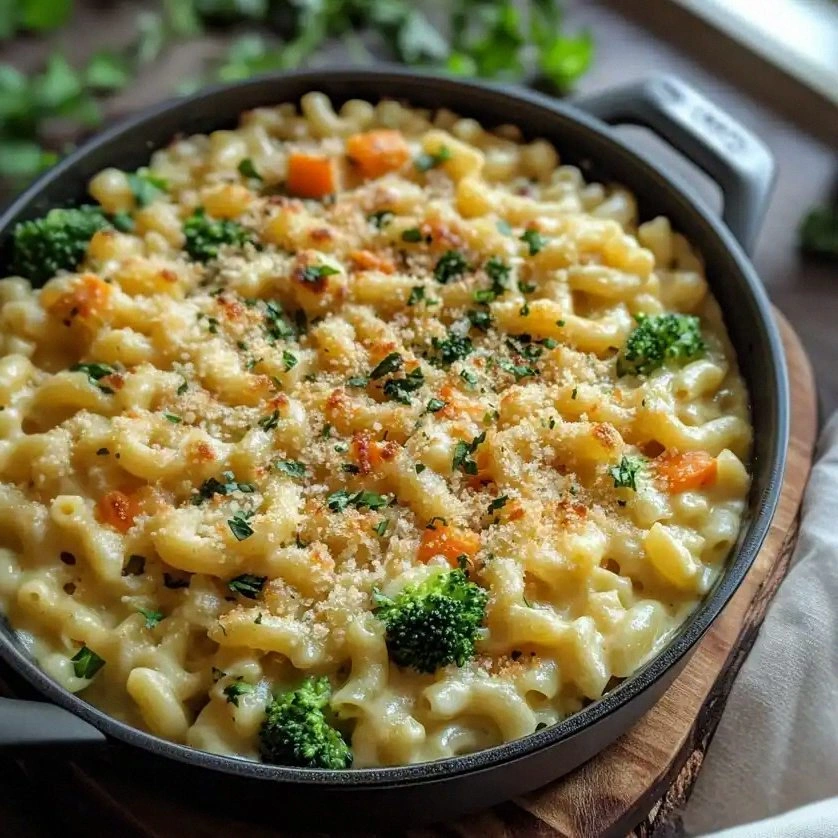
Picture the steam rising like a cloud of buttery promise, the bright green of peas glinting against the golden pasta, and the faint crackle as the oil warms. The air is thick with the earthy scent of simmering broccoli and the sharp, comforting aroma of melted cheddar. When you lift the spoon, the sauce clings to the pasta like velvet, each bite a burst of creamy richness that melts into a subtle crunch of fresh veggies. The sound of the pot hissing as the broth bubbles is music, a steady rhythm that tells you everything is on track. The texture is a perfect balance: silky cheese, tender vegetables, and al dente pasta that still offers a satisfying bite. The first spoonful is a revelation—warm, savory, and oddly indulgent, yet light enough to keep you coming back for more. That sizzle when it hits the pan? Absolute perfection.
This isn’t your run‑of‑the‑mill comfort food; it’s a single‑pot symphony that brings together flavors you’ll want to taste again and again. The cheese sauce coats the pasta like velvet, while the mixed veggies keep the dish bright and full of color. It’s simple—just one pot, minimal cleanup, and a recipe that can be tweaked to suit any dietary preference. Most recipes get this completely wrong, but here the broth is the secret, infusing the noodles with depth instead of letting them drown in plain water. The result? A dish that’s creamy, hearty, and still feels like a healthy choice. I’ll be honest—I ate half the batch before anyone else got to try it. If you've ever struggled with making mac and cheese that isn't dry or heavy, you're not alone—and I've got the fix.
Now, picture yourself pulling this out of the pot, the whole kitchen smelling incredible, and your family gathering around the table, eyes gleaming with anticipation. The next few steps will reveal the trick that makes the sauce silky without any heavy cream, and the secret blend of spices that gives it that subtle kick. I promise you, this is hands down the best version you'll ever make at home. Stay with me here—this is worth it. Let me walk you through every single step—by the end, you'll wonder how you ever made it any other way.
What Makes This Version Stand Out
What makes this version stand out is a blend of simplicity, flavor, and that unmistakable creamy texture that lingers on your palate. Let's break it down.
- Flavor: The sauce is rich yet balanced, thanks to vegetable broth and a dash of garlic powder that cuts through the cheese.
- Texture: The pasta remains al dente while the veggies stay crisp, creating a contrast that keeps each bite exciting.
- Convenience: One pot, one pan, and a single cleanup—ideal for busy evenings or lazy weekend meals.
- Health‑Friendly: Using fresh veggies and low‑fat cheese keeps calories in check without sacrificing comfort.
- Versatility: Swap the veggies or cheese for a vegan version, or add a protein for a heartier dinner.
- Crowd‑Pleaser: Kids love the cheesy coating, while adults appreciate the subtle seasoning and veggie crunch.
- Time‑Saver: The entire dish comes together in just 30 minutes, from prep to plate.
Inside the Ingredient List
Let’s break down each component so you know exactly what each part contributes to the final masterpiece.
The Flavor Base
Vegetable broth is the unsung hero that gives depth to the dish, replacing plain water with savory undertones that lift the cheese. Olive oil adds a silky mouthfeel and helps the spices coat the pasta evenly. Garlic powder is the backbone of flavor, providing a subtle kick that balances the richness. Salt and pepper are essential, but they’re added to taste, allowing you to fine‑tune the seasoning as the dish cooks.
The Texture Crew
Elbow macaroni is the star of the show, offering a classic shape that holds sauce like a sponge. Mixed vegetables—think peas, carrots, and broccoli—bring color, crunch, and a burst of natural sweetness. Together, they create a harmonious dance of textures that keeps each bite exciting. If you prefer a different pasta shape, feel free to swap it out; the cooking time will adjust slightly.
The Unexpected Star
Shredded cheese is the creamy centerpiece that turns the dish into a comforting hug. It melts into a silky sauce that coats every noodle and veggie. Choosing a blend of cheddar and mozzarella gives depth and a mellow melt. If you’re watching sodium, opt for a low‑fat or reduced‑salt variety.
The Final Flourish
Optional spices like paprika or Italian seasoning add a subtle warmth and aromatic complexity that elevates the dish from good to unforgettable. Paprika brings a smoky sweetness, while Italian seasoning offers herbal brightness. Sprinkle them in the last minute of cooking to preserve their flavors. These spices are optional, but they’re the secret that many forget to include.
Everything's prepped? Good. Let's get into the real action...
The Method — Step by Step
- Heat the olive oil in a large pot over medium heat until it shimmers. Add the garlic powder and sauté for about 30 seconds until it releases a fragrant aroma. Pour in the vegetable broth, bringing the mixture to a gentle boil. This sets the stage for a rich, flavorful base that will carry the rest of the ingredients. Keep a close eye on the pot so it doesn’t boil over.
- Stir in the elbow macaroni, then reduce the heat to low, cover, and let it simmer. Cook for 8–10 minutes, stirring occasionally to prevent sticking. The pasta should be al dente, with a slight bite that complements the creamy sauce. You’ll notice the aroma becoming more inviting as the noodles absorb the broth. This step is crucial for the final texture.
- Add the mixed vegetables, distributing them evenly over the pasta. Continue cooking for another 3–4 minutes until the veggies are bright and just tender, but still retain their crunch. The vegetables will release a subtle sweetness that balances the richness of the cheese. This is the moment where color and flavor truly start to mingle.
- Reduce the heat to low again, then stir in the shredded cheese until it melts into a silky, velvety sauce. The cheese should coat each noodle and vegetable, creating a luscious blanket. Season with salt and pepper to taste, then add a pinch of paprika or a dash of Italian seasoning if you’re feeling adventurous. The aroma should be warm and inviting, signaling that the dish is almost ready.
- Remove the pot from the heat and let it rest covered for 2 minutes. This short pause allows the sauce to thicken slightly and the flavors to meld together. The pasta will continue to steam, absorbing the last droplets of broth. This step is often overlooked but makes a noticeable difference in mouthfeel.
- Give the mixture a final stir, ensuring every noodle is coated and every vegetable is evenly distributed. Ladle the creamy goodness into bowls, and if desired, garnish with a pinch of extra cheese or fresh herbs for a pop of color. The dish should be hot and comforting, ready to be devoured.
- Serve immediately and enjoy the creamy, veggie‑filled comfort that satisfies everyone. The first bite will melt in your mouth, followed by a satisfying crunch from the veggies. If you’re hosting, let the kids help with the final garnish—watching them add a sprinkle of cheese is pure joy. Remember to pair it with a simple green salad or crusty bread to complete the meal.
That's it — you did it. But hold on, I've got a few more tricks that'll take this to another level...
Insider Tricks for Flawless Results
Even a seemingly simple dish can benefit from a few expert touches. These are the tricks that have turned a good mac and cheese into an unforgettable experience.
The Temperature Rule Nobody Follows
Cooking at the right temperature ensures the cheese melts evenly without scorching. Keep the heat low once you add the cheese; a gentle simmer allows the fats to distribute smoothly. If the pot starts to bubble, reduce the flame immediately to avoid a greasy texture. This rule is often overlooked, yet it can make the difference between a creamy delight and a clumpy disaster.
Why Your Nose Knows Best
Trust your sense of smell to gauge doneness. A subtle, nutty aroma indicates the cheese has fully melted and the pasta is ready. If you notice a sharp, metallic scent, the dish may be overcooked. Use your nose as a quick, reliable indicator, especially when cooking for a crowd where timing is critical.
The 5‑Minute Rest That Changes Everything
Letting the dish rest for just five minutes after cooking allows the flavors to settle and the sauce to thicken. During this pause, the pasta continues to absorb moisture, creating a richer mouthfeel. This simple step is often skipped in rushed recipes, but it elevates the dish from ordinary to extraordinary. The result is a silky, cohesive sauce that clings to every noodle.
Keep the Veggies Fresh
Add vegetables in stages to preserve their color and crunch. Start with the firmer veggies like carrots and broccoli, then introduce the peas in the last minute of cooking. This technique keeps the vegetables bright and prevents them from becoming mushy. Fresh, vibrant veggies not only add nutrition but also create a visual contrast that makes the dish more appealing.
Finish with a Crunch
A crunchy topping adds texture and a burst of flavor that lingers on the palate. Toasted breadcrumbs, crushed crackers, or even a sprinkle of roasted nuts work beautifully. Add the crunch just before serving to keep it crisp. This final touch transforms a simple mac and cheese into a multi‑sensory experience.
Creative Twists and Variations
This recipe is a playground. Here are some of my favorite ways to switch things up:
Vegan Version
Swap the shredded cheese for a plant‑based cheddar alternative and use vegetable broth made from simmered kale and carrots. Replace the olive oil with a splash of coconut milk for a hint of tropical sweetness. This version maintains the creamy texture while keeping the dish dairy‑free and cruelty‑free. It's a crowd‑pleaser for anyone watching their dairy intake.
Protein Boost
Add diced chicken breast, ground turkey, or crumbled sausage during the simmering stage for a hearty, protein‑rich meal. Cook the protein separately to avoid overcooking, then fold it in at the end. The result is a filling dish that satisfies both kids and adults alike. This twist turns a side dish into a full‑blown dinner.
Southwest Twist
Introduce a splash of chipotle‑infused broth and sprinkle fresh cilantro and lime zest over the finished dish. Add a handful of corn kernels and black beans for an extra pop of color and texture. The smoky, citrusy notes transport your taste buds to a sunny Mexican patio. This version is perfect for a quick, adventurous lunch.
Mediterranean Flair
Incorporate sun‑dried tomatoes, olives, and a pinch of oregano for a Mediterranean vibe. Finish with a drizzle of extra‑virgin olive oil and a sprinkle of feta cheese. The briny olives and tangy feta complement the creamy base beautifully. This variation is a great way to enjoy a taste of Italy and Greece in one pot.
Breakfast Kick
Add sautéed spinach, diced ham, and a dash of nutmeg for a savory breakfast casserole. Serve it with a side of fresh fruit or a light yogurt parfait. The warm, comforting flavors pair wonderfully with a morning coffee or a glass of orange juice. This twist turns a classic dinner into a delightful breakfast option.
Storing and Bringing It Back to Life
Fridge Storage
Transfer the mac and cheese to an airtight container and store it in the refrigerator for up to three days. The sauce may thicken slightly, so when reheating, add a splash of milk or broth to restore its silky texture. Avoid leaving the dish at room temperature for more than two hours to prevent bacterial growth. Proper storage ensures you can enjoy leftovers without compromising quality.
Freezer Friendly
For longer storage, divide the dish into freezer‑safe portions and seal them in zip‑lock bags or a vacuum‑sealed container. Freeze for up to two months. When ready to eat, thaw overnight in the refrigerator, then reheat on the stovetop with a small amount of water or broth to loosen the sauce. Freezing preserves the flavors, but the texture may slightly change; a quick stir can help restore the creaminess.
Best Reheating Method
The best way to reheat is on the stovetop over low heat, stirring frequently to prevent sticking. Add a splash of water or milk to thin the sauce and help it coat the pasta again. Keep the heat gentle to avoid burning the cheese. Reheated mac and cheese should feel hot and creamy, just like when it was first made.