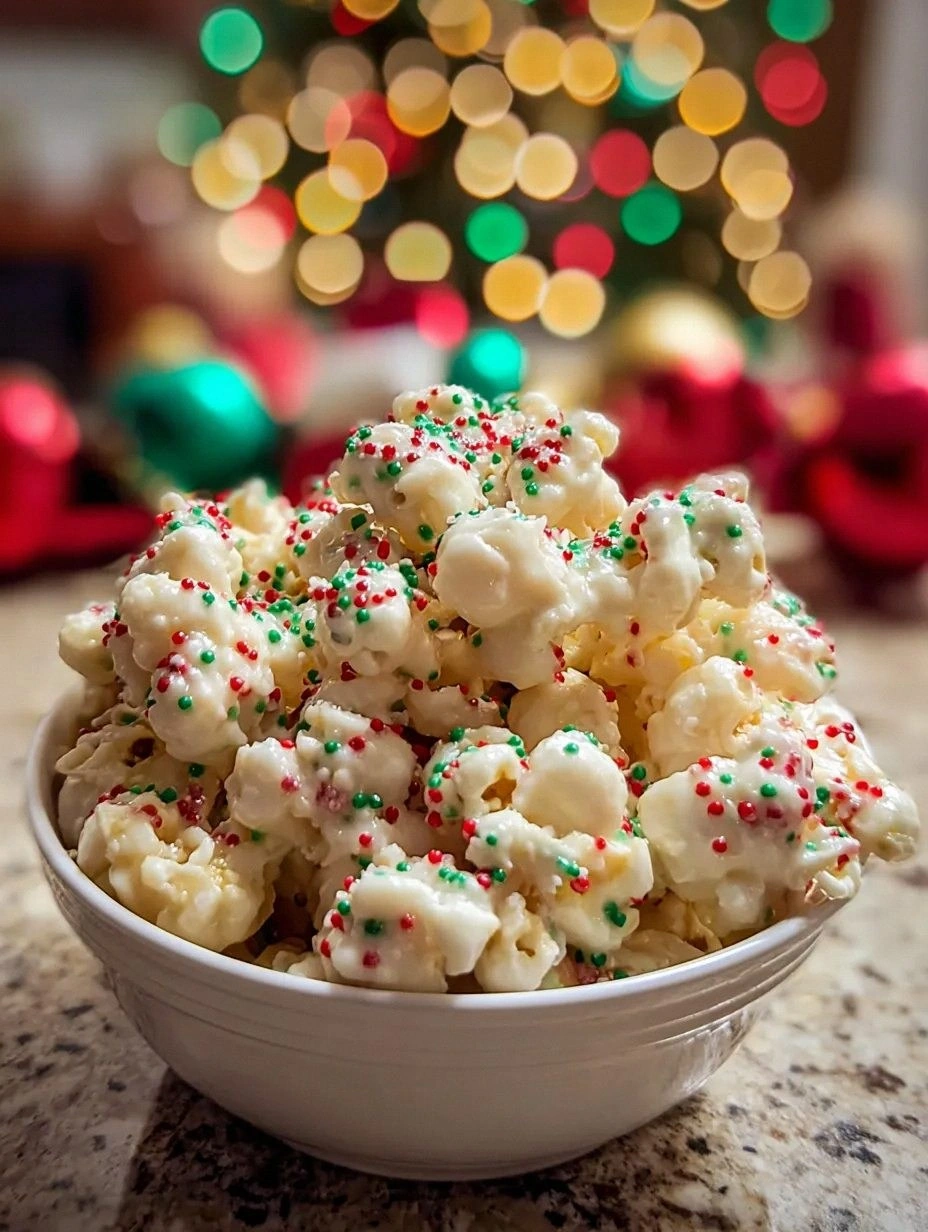
I still remember the night my cousin dared me to bake a batch of cookies that could actually make Santa pause his sleigh and ask for the recipe. I was armed with a busted mixer, a half‑empty pantry, and a stubborn belief that “just a pinch of this” could turn a disaster into a masterpiece. The kitchen smelled like burnt sugar, my batter was a lumpy mess, and the only thing that didn’t crumble was my confidence. After a frantic midnight call to my grandma (who swore by a secret blend of spices), I finally nailed a cookie that was crisp on the edges, chewy in the middle, and sang with citrus‑bright notes that could wake the Grinch from his holiday hibernation.
Picture this: a tray of golden‑brown disks, each one glistening with a thin honey‑molasses sheen, the aroma of cinnamon, ginger, and a whisper of cardamom swirling through the air like a festive fog. The moment you bite, the buttery crumb melts, then the spice burst hits you like fireworks on New Year’s Eve, and the orange zest finishes the experience with a zing that makes your taste buds do a little jig. It’s the kind of cookie that makes the whole house feel like a winter wonderland, even if you’re stuck in a concrete apartment with no snow in sight. This isn’t just a sweet treat; it’s a holiday mood‑setter, a conversation starter, and a reason to pause the endless scrolling of social media and actually enjoy the moment.
Most Christmas cookie recipes either drown you in sugar or leave you with bland, crumbly disappointments that crumble like stale paper. I’ve tried the classic gingerbread, the sugar‑sprinkled shortbread, and even the fancy almond‑kissed biscotti, and each time something was missing – either the depth of spice, the balance of sweet and tang, or the texture that makes you want to devour the whole batch in one sitting. This version, however, flips the script. By marrying honey’s floral sweetness with molasses’ earthy richness, and then brightening the whole thing with orange zest and a splash of Cointreau, you get a cookie that sings in three octaves: sweet, spicy, and citrus‑bright. The secret? A quick chill of the dough and a precise bake that creates that coveted “edge‑to‑center” contrast.
I’m about to walk you through every single step – from the moment you whisk the butter into a cloud of creaminess to the final drizzle of orange‑kissed glaze that makes these cookies look like tiny holiday ornaments. By the end, you’ll wonder how you ever settled for anything less, and you’ll have a batch that will have guests begging for the recipe before the last crumb disappears. Let me walk you through every single step — by the end, you’ll wonder how you ever made it any other way.
What Makes This Version Stand Out
- Flavor Depth: The combination of honey and molasses creates a layered sweetness that’s richer than plain sugar, while the spice blend adds a warm, festive complexity that lingers on the palate.
- Texture Harmony: A short, buttery crumb on the inside meets a crisp, caramelized edge on the outside – think of it as the perfect marriage of shortbread and ginger snap.
- Simplicity: Despite the impressive flavor profile, the ingredient list is short and the technique is straightforward – no need for exotic equipment or a PhD in pastry science.
- Unique Twist: Orange zest and Cointreau aren’t just garnish; they cut through the richness and add a bright, aromatic lift that most Christmas cookies lack.
- Crowd Reaction: I dare you to taste this and not go back for seconds – the first bite triggers a chorus of “wow” and “more please” from even the most seasoned cookie connoisseurs.
- Ingredient Quality: Using real butter (not margarine) and high‑quality honey makes the dough silky and the flavor authentic, turning a simple cookie into a gourmet treat.
- Cooking Method: A brief chill of the dough followed by a high‑heat bake creates that coveted caramelized edge without drying out the center.
- Make‑Ahead Potential: These cookies keep wonderfully for up to two weeks, and they actually taste better after a day or two as the flavors meld and deepen.
Inside the Ingredient List
The Flavor Base
Butter is the foundation of any good cookie, and using real, unsalted butter gives you a creamy mouthfeel that can’t be replicated with margarine. It’s the vehicle for the honey and molasses, allowing those sweet liquids to coat each flour particle evenly. If you skip the butter or replace it with a low‑fat alternative, you’ll end up with a dry, crumbly texture that feels more like sand than a holiday treat. For the best results, choose European‑style butter with a higher fat content – it spreads like silk and adds a subtle richness that makes the spices shine.
Honey (3/4 cup): Honey brings a floral, almost fruity sweetness that balances the deep, almost caramel notes of molasses. It also helps the cookies stay moist longer, giving you that chewy center we all crave. If you’re allergic to honey or want a vegan version, replace it with agave syrup, but expect a slightly lighter flavor.
Molasses (1/2 cup): This dark, robust syrup adds an earthy depth that sugar alone can’t provide. It’s the secret behind the cookie’s dark, glossy finish and the subtle bitterness that keeps the sweetness from becoming cloying. If you’re using a light molasses, you’ll lose some of that deep, almost smoky nuance.
The Texture Crew
Flour is the structural backbone, and using a mix of all‑purpose and a touch of cake flour can give you a tender crumb while still holding its shape. The recipe calls for 3 cups of flour, which is enough to absorb the wet ingredients without turning the dough into a sticky mess. If you accidentally add too much flour, the cookies will become dense and heavy – a fate worse than a burnt gingerbread.
Salt (1 tsp): A pinch of salt might seem trivial, but it amplifies every other flavor, especially the spices. It also helps control the sweetness, preventing the honey and molasses from turning the cookies into a sugary overload.
The Unexpected Star
Orange Zest (1 tbsp) & Orange Juice (2 tbsp): The zest provides aromatic oils that burst with citrus brightness, while the juice adds a subtle tang that cuts through the richness. Together they create a flavor bridge between the sweet and the spicy, making each bite feel like a mini celebration. If you’re out of fresh oranges, a splash of high‑quality orange extract works, but the zest is non‑negotiable for that authentic zing.
Cointreau (1 tbsp): This orange‑flavored liqueur adds a sophisticated adult twist, deepening the citrus notes and adding a whisper of warmth. It evaporates during baking, leaving behind a nuanced aroma that makes the cookies smell like a boutique patisserie. If you prefer a non‑alcoholic version, substitute with orange‑extract plus a teaspoon of rum‑flavored syrup.
The Final Flourish
Icing Sugar (1 cup) & Orange Juice (2 tbsp) & Cointreau (1 tbsp): This glaze turns the cookies into glossy, festive ornaments. The sugar dissolves into a thin, glossy coat that hardens slightly, giving a satisfying snap when you bite. Adding a splash of orange juice and a dash of Cointreau to the glaze keeps the flavor consistent from the interior to the surface, ensuring every bite is a harmonious blend.
Ground Clove (pinch): This tiny amount adds a lingering warmth that lingers after the cookie is gone. Because it’s so potent, a pinch is enough – too much and you’ll dominate the delicate spice orchestra.
Everything's prepped? Good. Let's get into the real action...

The Method — Step by Step
Start by softening the butter: cut it into cubes and let it sit at room temperature for about 15 minutes. Once softened, place it in a large mixing bowl and beat it with an electric mixer on medium speed until it’s pale and fluffy – think of a cloud that’s just about to burst. This step is crucial because a well‑creamed butter incorporates air, which later translates into a lighter crumb. Power transition: Okay, ready for the game‑changer?
Add the honey and molasses to the butter. As you pour, you’ll hear a gentle hiss – that’s the sugar beginning to dissolve into the fat, creating a glossy, thick mixture. Beat on low speed until the liquids are fully incorporated; the batter should look silky and slightly glossy.
Watch Out: If the butter starts to melt, chill the bowl for a few minutes – melted butter will make the cookies spread too thin.In a separate bowl, whisk together the flour, salt, and the entire spice blend (cinnamon, ginger, nutmeg, cardamom, clove, allspice). This ensures the spices are evenly distributed, preventing any bitter pockets. Add the orange zest and give it a quick stir – the zest will release its fragrant oils, turning the dry mix into a fragrant, colorful powder.
Gradually add the dry ingredients to the wet mixture, mixing on low speed. The dough will come together in a shaggy mass at first, then smooth out into a cohesive ball. At this point, the dough should feel slightly tacky but not sticky; if it sticks to your fingers, sprinkle a teaspoon of flour and knead briefly.
Now for the secret weapon: add the vanilla extract, orange juice, and Cointreau. The liquid will loosen the dough just enough to make it pliable, while the alcohol evaporates during baking, leaving behind a subtle orange‑spirit aroma. Mix until just combined – over‑mixing will develop gluten and make the cookies tough.
Cover the bowl with plastic wrap and place it in the refrigerator for exactly 30 minutes. This short chill firms up the butter, which is essential for those crisp edges we all love.
Kitchen Hack: While the dough chills, preheat your oven to 350°F (175°C) and line two baking sheets with parchment paper.After chilling, scoop the dough onto a lightly floured surface and roll it out to about ¼‑inch thickness. Using a cookie cutter (round, star, or festive shapes), cut out the cookies and place them on the prepared baking sheets, leaving a little space between each. The dough should hold its shape; if it cracks, let it sit for a few minutes to relax.
Slide the trays into the preheated oven and bake for 12‑14 minutes, or until the edges turn a light golden‑brown and the centers look set but still slightly soft. You’ll notice a faint caramel scent as the honey and molasses caramelize – that’s the moment of truth. Rotate the trays halfway through for even browning.
While the cookies are baking, prepare the glaze: whisk together the icing sugar, orange juice, and Cointreau until smooth. If the glaze is too thick, add a splash more orange juice; if too thin, add a pinch more icing sugar. This glaze should flow like a thin syrup, perfect for drizzling.
When the cookies are done, remove them from the oven and let them cool on the sheet for 5 minutes – this allows the residual heat to finish the cooking process without over‑baking. Transfer them to a wire rack and, while still warm, drizzle the orange glaze over each cookie using a spoon or a small pastry brush. The glaze will set as the cookies cool, forming a glossy, festive finish.
That's it — you did it. But hold on, I've got a few more tricks that'll take this to another level...
Insider Tricks for Flawless Results
The Temperature Rule Nobody Follows
Never bake these cookies straight from the fridge; let them sit at room temperature for five minutes after chilling. This slight warm‑up prevents the edges from hardening too quickly, ensuring a gentle spread that yields that coveted crisp‑to‑chewy transition. I once tried skipping this step, and the cookies turned into hard, flat discs – not the holiday magic we’re after.
Why Your Nose Knows Best
When the cookies are about three minutes from finishing, the kitchen will fill with a sweet‑spicy perfume. Trust that scent; if you can smell the caramel notes, the cookies are ready. Over‑baking turns the molasses bitter, so let your nose be the timer.
The 5‑Minute Rest That Changes Everything
After glazing, let the cookies rest for exactly five minutes before stacking. This short pause lets the glaze set without smearing, giving each cookie a glossy, glass‑like surface. If you stack them too soon, the glaze will stick and create a sticky mess.
The Secret of the Orange Zest
Grate the zest directly over the flour before mixing; the fine orange particles will coat each flour grain, distributing the citrus aroma evenly. Skipping this step results in a spotty orange flavor that feels uneven.
The “Two‑Batch” Trick
If you’re baking for a crowd, split the dough into two portions and chill one while you bake the first batch. This ensures you always have a cold dough ready, maintaining that perfect edge‑to‑center texture without waiting for the whole batch to chill again.
Creative Twists and Variations
This recipe is a playground. Here are some of my favorite ways to switch things up:
Chocolate‑Swirl Delight
Add ¼ cup of melted dark chocolate to the dough after the butter and honey are combined. The chocolate ribbons through the cookie, creating a decadent contrast that pairs beautifully with the orange glaze.
Nutty Crunch
Stir in ½ cup of toasted chopped pecans or walnuts just before the final chill. The nuts add a buttery crunch and a subtle earthiness that complements the spice blend.
Festive Cranberry Burst
Fold in ½ cup of dried cranberries soaked in orange juice for 15 minutes. The tart cranberries pop against the sweet cookie, offering a bright, festive bite.
Spiced White Chocolate
Replace the orange zest with 1 tablespoon of finely grated white chocolate and add a pinch of extra cinnamon. This creates a creamy, sweet version that still carries the holiday spice.
Gluten‑Free Version
Swap the all‑purpose flour for a 1‑to‑1 gluten‑free blend that includes rice flour and tapioca starch. The texture remains tender, and the flavor profile stays true to the original.
Storing and Bringing It Back to Life
Fridge Storage
Place the cooled cookies in an airtight container with a parchment sheet between layers. Store them in the refrigerator for up to two weeks. The chill keeps the glaze firm and the interior moist.
Freezer Friendly
For longer keeping, freeze the cookies in a single layer on a baking sheet, then transfer to a freezer‑safe bag. They’ll stay fresh for three months. When you’re ready, let them thaw at room temperature for 30 minutes, then give them a quick 3‑minute bake at 300°F to revive the crisp edges.
Best Reheating Method
To bring a cookie back to life, preheat your oven to 325°F, place the cookie on a parchment‑lined tray, and add a tiny splash (about 1 teaspoon) of water to the tray. The steam will re‑hydrate the interior while the oven restores the caramelized edge. In just 5‑7 minutes, you’ll have a cookie that tastes like it just came out of the oven.