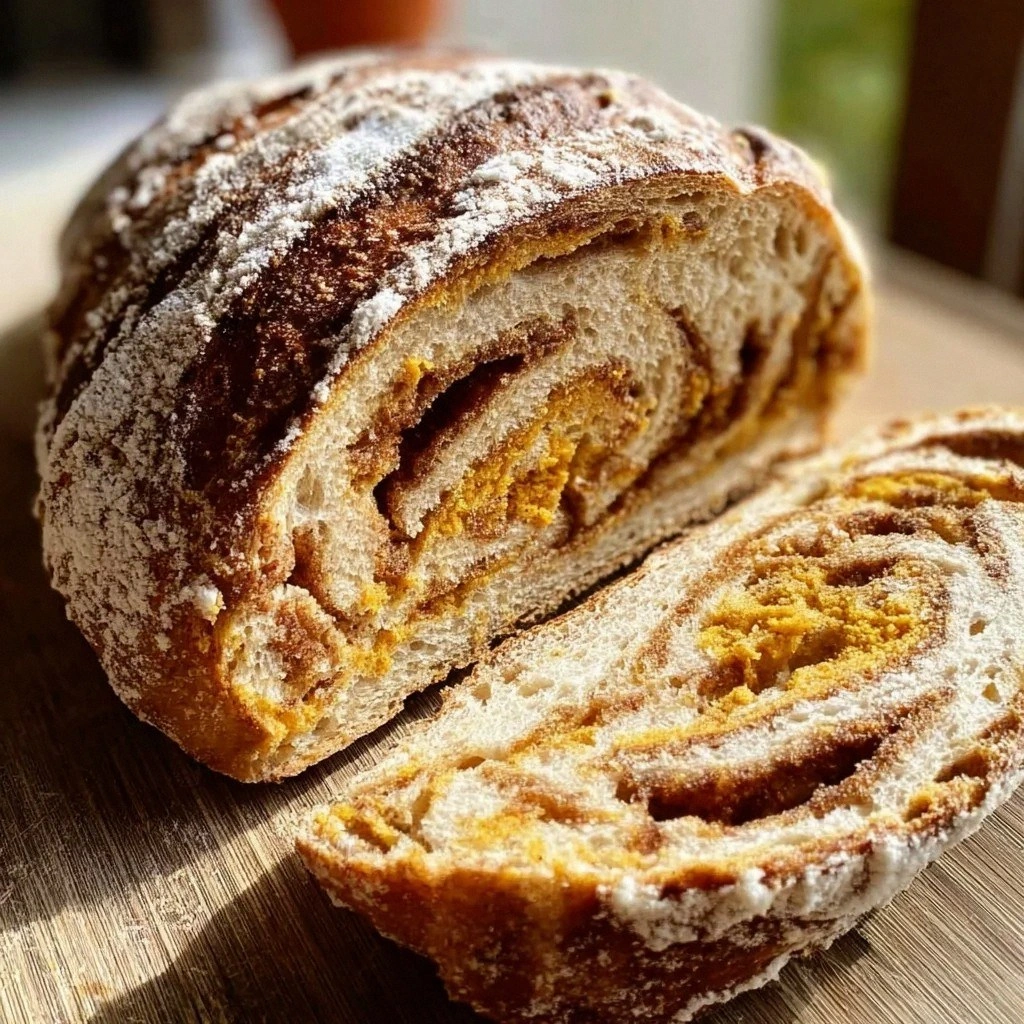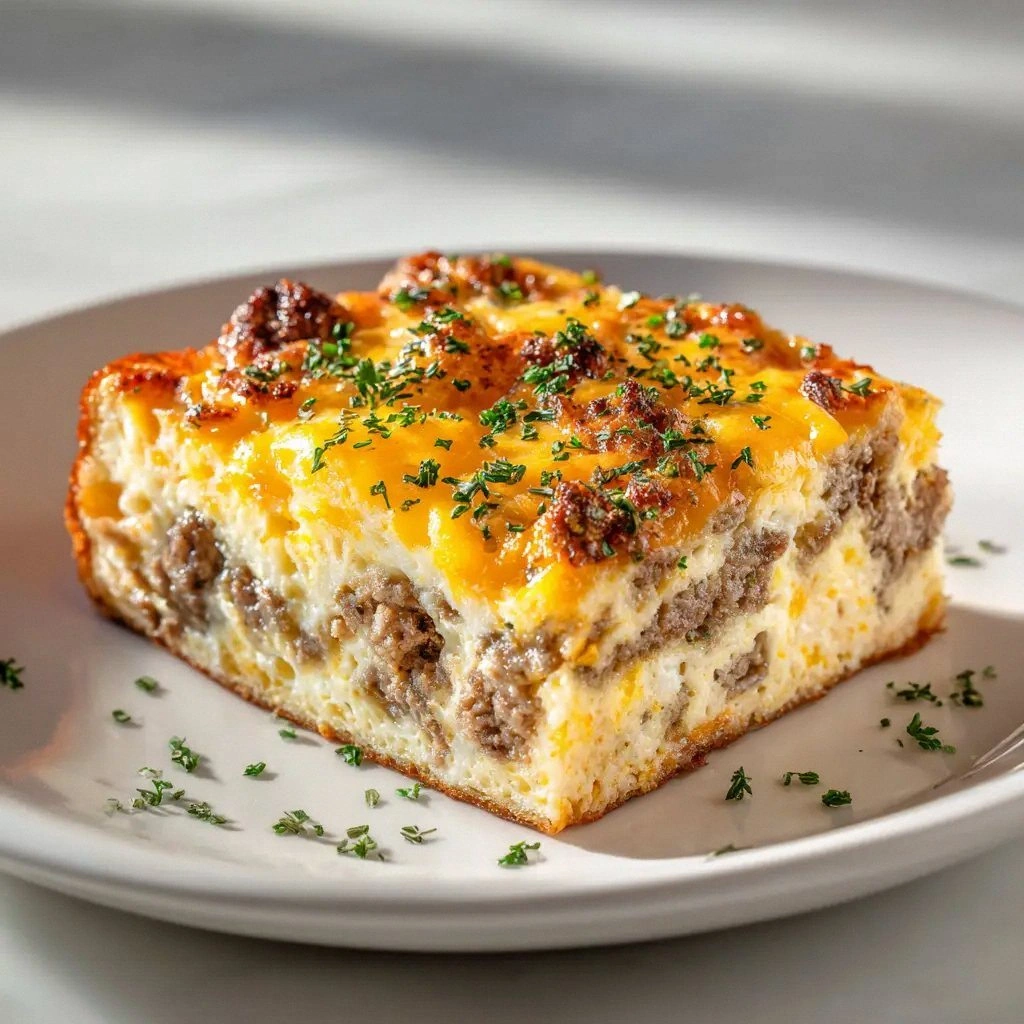
Picture this: a Saturday morning, the kitchen is a mess, the timer is ticking, and you’re staring at a stack of day‑old bread that’s looking more like a brick wall than a breakfast staple. I was scrambling to salvage a last‑minute brunch for a friend who’d just turned up at 8:00 am, and that’s when the sausage and egg casserole idea hit me like a lightning bolt. I was half‑sitting on a chair, half‑screaming, “If I can’t make a quick scramble, I’ll just throw everything into a pan and hope for the best.” That pan ended up being a gloriously golden, protein‑packed casserole that left everyone begging for seconds. I dare you to taste this and not go back for seconds.
The first bite was a revelation. The savory pork sausage, the velvety eggs, the crispy, caramelized edges of the bread, and that molten cheddar that drips like a golden ribbon—all dancing together in a bowl of comfort. The aroma alone—smoky sausage, buttery bread, a hint of mustard—was enough to pull my guests from their seats and into a culinary trance. I was honest—half the batch was gone before anyone else got a chance to try it. And yet, even after that, I knew I’d found the ultimate breakfast casserole.
What makes this version stand out is not just the bold flavors but the method that turns ordinary ingredients into a showstopper. Most recipes get this completely wrong, using fresh bread that turns soggy or over‑seasoning the eggs. Here, every element is calibrated: the day‑old bread soaks up the egg custard without falling apart, the dry mustard powder gives a subtle kick that balances the richness, and the cheddar melts into a silky coating that ties everything together. If you’ve ever struggled with a casserole that ends up as a sad, soggy mess, you’re not alone—and I’ve got the fix.
And there’s a twist you won’t expect: a splash of whole milk that keeps the eggs tender and the casserole moist, and a touch of dry mustard powder that adds depth without overpowering. Picture yourself pulling this out of the oven, the whole kitchen smelling incredible, the golden crust crackling like thin ice under your fingers. Okay, ready for the game‑changer? By the end of this guide, you’ll wonder how you ever made it any other way.
What Makes This Version Stand Out
- Flavor: The combination of pork sausage, sharp cheddar, and dry mustard creates a complex, savory profile that feels both hearty and refined. The mustard adds a bright, tangy counterpoint that lifts the richness of the eggs and cheese.
- Texture: Day‑old bread soaks the custard without becoming mushy, creating a firm base that holds up in the oven. The eggs set into a silky custard, and the cheese melts into a glossy, molten coating.
- Convenience: All ingredients are pre‑measured, and the dish is a one‑pan, one‑oven masterpiece. It’s perfect for make‑ahead breakfasts, busy mornings, or a crowd‑pleasing brunch.
- Make‑Ahead Potential: Assemble the casserole, refrigerate, and bake when you’re ready. The flavors deepen overnight, making it a true time‑saver.
- Ingredient Quality: Using day‑old bread and fresh sausage ensures maximum flavor. The sharp cheddar gives a bright, tangy finish that cuts through the richness.
- Audience Appeal: This casserole satisfies everyone—from the family who loves a classic breakfast to the foodie who craves bold, unexpected flavors.
- Presentation: The golden crust and melted cheese create a visually stunning dish that looks as good as it tastes.
- Health Factor: While indulgent, the dish can be tweaked with lower‑fat cheese or a leaner sausage to keep calories in check.
Alright, let’s break down exactly what goes into this masterpiece…
Inside the Ingredient List
The Flavor Base
The pork breakfast sausage is the heart of this dish. It brings smoky depth and a savory backbone that pairs beautifully with the eggs. If you prefer a milder taste, swap the pork for turkey sausage, but remember to brown it first to lock in flavor. The dry mustard powder is the secret weapon—its pungent, earthy note cuts through the richness of the cheese and eggs, preventing the dish from feeling heavy.
The Texture Crew
Day‑old bread is essential for texture. Its slightly stale surface absorbs the egg custard without disintegrating, creating a firm yet tender bite. Fresh bread, on the other hand, will turn soggy. If you’re in a pinch, you can use a French baguette or a sourdough loaf, but slice it into small cubes to mimic the day‑old texture. The eggs are the custard’s backbone; they bind everything together and provide a silky, melt‑in‑your‑mouth finish. The whole milk adds moisture and richness, keeping the eggs from drying out during baking.
The Unexpected Star
Sharp cheddar cheese is more than just a topping—its sharpness gives the casserole a bright, tangy finish that contrasts beautifully with the savory sausage. The cheese’s high melt point ensures a glossy, cohesive coating. If you’re a fan of smoky flavors, consider adding a tablespoon of smoked paprika to the sausage mixture. For a dairy‑free version, use a vegan cheese that melts well, such as a nut‑based cheddar alternative.
The Final Flourish
Seasoning is where the dish truly shines. The salt, black pepper, garlic powder, and onion powder create a balanced, savory profile. If you’re watching sodium, reduce the salt by half and compensate with more spices. A pinch of cayenne pepper can add a subtle heat that elevates the dish. Finally, a drizzle of olive oil before baking gives the crust a crisp, golden finish.
Everything’s prepped? Good. Let’s get into the real action…
The Method — Step by Step
- Brown the Sausage: Heat a large skillet over medium heat. Add the pork breakfast sausage, breaking it apart with a wooden spoon. Cook until fully browned and crisp, about 5–7 minutes. Drain excess grease and set aside. The sizzle when it hits the pan? Absolute perfection. Don’t rush—this step builds the flavor base.
- Prep the Bread: Cut the day‑old bread into 1/2‑inch cubes. Spread them on a baking sheet and toast in a 350°F oven for 8–10 minutes, or until lightly browned and crisp. Toasting the bread before adding the custard prevents it from becoming mushy. Keep an eye on it; the edges should be golden, not burnt.
- Whisk the Eggs: In a large bowl, whisk together the eggs, whole milk, salt, black pepper, dry mustard powder, garlic powder, and onion powder until fully combined. The mixture should be smooth and slightly frothy. This ensures an even custard that sets beautifully in the oven.
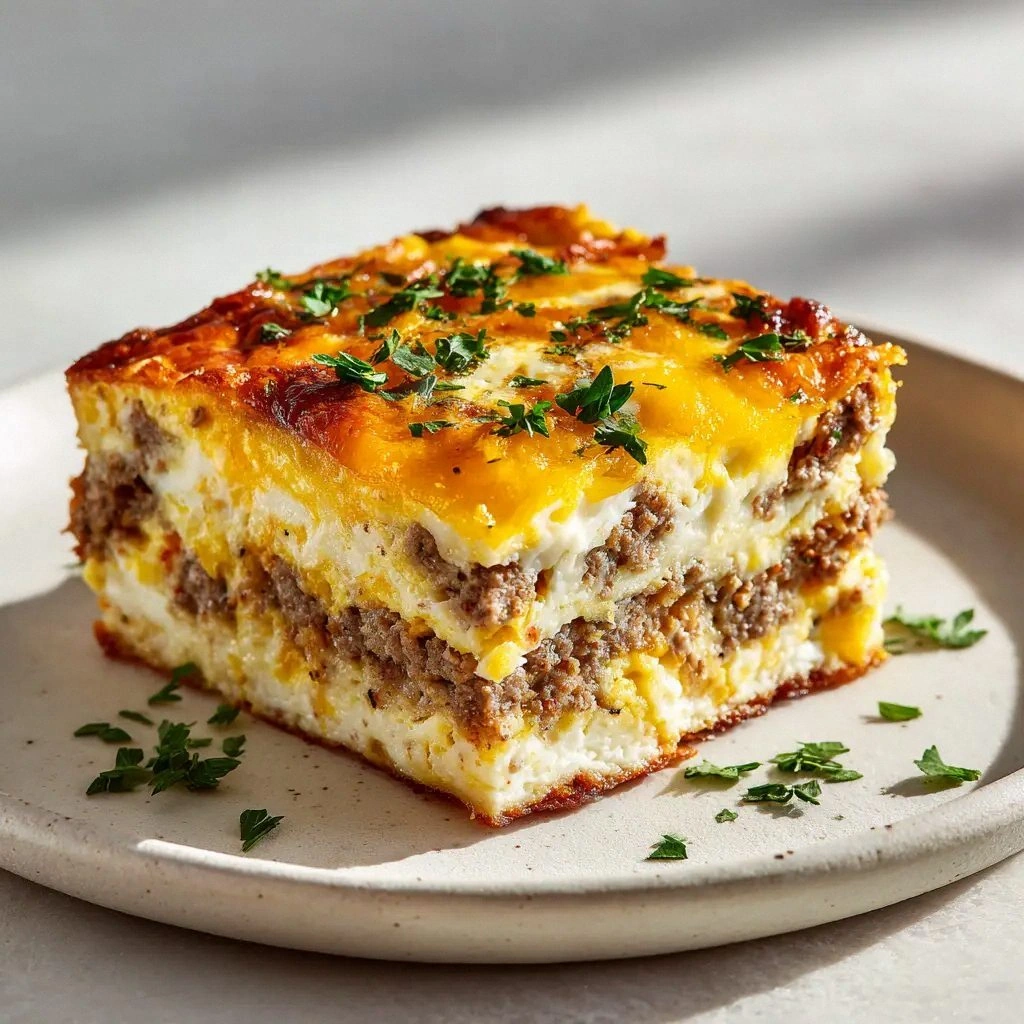
- Layer the Casserole: In a 9×13 inch baking dish, spread half of the toasted bread cubes. Sprinkle half of the browned sausage over the bread. Pour half of the egg mixture over the layers, letting it seep into the bread. Repeat the layers with the remaining bread, sausage, and egg mixture. The result should look like a rustic, layered loaf.
- Top with Cheese: Sprinkle the shredded sharp cheddar evenly over the top of the casserole. The cheese will melt into a golden, bubbly coating that ties all the flavors together. The texture of the cheese will contrast beautifully with the crunchy crust.
- Bake: Preheat your oven to 375°F (190°C). Place the casserole in the oven and bake for 25–30 minutes, or until the edges are golden brown and the custard is set. The top should be slightly blistered, indicating a perfect crust. Keep an eye on it; the cheese can brown quickly.
- Rest and Serve: Remove the casserole from the oven and let it rest for 5 minutes. This allows the custard to set fully and makes slicing easier. Slice with a serrated knife, and serve hot. The aroma will still be dancing in the kitchen—picture that moment of anticipation.
That’s it— you did it. But hold on, I’ve got a few more tricks that’ll take this to another level…
Insider Tricks for Flawless Results
The Temperature Rule Nobody Follows
Many cooks bake at 350°F, but this casserole thrives at 375°F. The higher temperature ensures a crisp crust and a set custard without drying out the eggs. If your oven runs hot, lower the temperature by 10–15°F and extend baking by a minute or two.
Why Your Nose Knows Best
As the casserole bakes, the aroma is a living indicator of progress. The smell of caramelized bread and melted cheese signals that the edges are golden and the custard is set. If you’re unsure, check the center with a toothpick—if it comes out clean, you’re done.
The 5-Minute Rest That Changes Everything
Letting the casserole rest for 5 minutes after baking is crucial. The custard continues to set, preventing it from sliding off the knife. It also allows the cheese to firm up slightly, making for cleaner slices.
Use a Dutch Oven for Even Heat
A cast‑iron Dutch oven distributes heat more evenly than a standard baking dish. The sides of the casserole stay warm, preventing the bottom from burning while the top finishes properly.
Keep the Bread Cubes Dry
If the bread cubes are too moist, the casserole will become soggy. Toasting the bread before adding it to the dish is the secret to a firm, crunchy base. If you’re using a bread that’s already dry, skip the toasting step but monitor closely during baking.
Adjust the Cheese for a Softer Texture
If you prefer a less gooey, more crumbly top, use a lower‑fat cheese or a blend of cheddar and mozzarella. The mozzarella will melt into a silkier coating, while the cheddar adds sharpness.
Creative Twists and Variations
This recipe is a playground. Here are some of my favorite ways to switch things up:
Garden Fresh
Add chopped sautéed spinach, sun‑dried tomatoes, and a sprinkle of basil to the layers. The greens add color and a burst of freshness that balances the richness.
Spicy Kick
Incorporate diced jalapeños and a dash of cayenne pepper into the sausage mixture. The heat will contrast beautifully with the creamy cheese.
Herb‑Infused
Stir in chopped rosemary, thyme, and oregano into the egg mixture. The herbs bring a fragrant, earthy note that elevates the dish.
Cheese Swap
Swap the sharp cheddar for Gruyère or Fontina for a nutty, melt‑in‑your‑mouth experience. The cheese will still provide that glossy coating but with a different flavor profile.
Breakfast Pizza
Use a pre‑baked pizza crust instead of bread cubes. Layer sausage, eggs, and cheese, then bake until the crust is crispy and the eggs are set. It’s a fun, family‑friendly twist.
Make‑Ahead Brunch
Assemble the casserole the night before, cover tightly, and refrigerate. In the morning, bake at 375°F for 30 minutes, and you’ll have a hot, ready‑to‑serve breakfast in minutes.
Storing and Bringing It Back to Life
Fridge Storage
Cool the casserole completely, then wrap tightly with plastic wrap or foil. Store in the refrigerator for up to 3 days. When ready to serve, reheat in a 350°F oven for 15–20 minutes, or until warmed through.
Freezer Friendly
Wrap the cooled casserole in foil, then place in a freezer bag. Freeze for up to 2 months. To reheat, thaw overnight in the refrigerator, then bake at 350°F for 25–30 minutes.
Best Reheating Method
Add a splash of whole milk before reheating; it steams the casserole back to perfection, keeping the custard moist and the cheese silky. The milk also prevents the edges from drying out.