I’ll be honest — I was half‑heartedly scrolling through brunch menus when a friend dared me to create the ultimate brunch cocktail that could actually make a Sunday feel like a celebration. I grabbed a half‑empty bottle of champagne, a couple of ruby‑red grapefruits, and a mischievous grin. The kitchen was a chaotic symphony of clinking glass, the bright pop of citrus, and the faint hum of a fridge door sighing shut. In that moment, the air tasted like possibility, and I realized I was about to invent a drink that would make even the most stoic aunt raise an eyebrow and ask for a refill.
Picture this: the first sip hits your tongue with a zing that’s simultaneously sharp and sweet, like a sunrise over a sparkling sea. The bubbles dance, the grapefruit’s tang wraps around them, and a whisper of mint slides in like a cool breeze on a warm patio. You can almost hear the fizz fizzing in your ears, see the sunrise‑colored liquid catching the light, and feel the gentle tingle on your palate. It’s a full‑sensory experience that says, “I’m relaxed, I’m fancy, and I’m ready for anything the day throws at me.”
Most mimosa recipes either drown the citrus in too much wine or drown the wine in a swamp of sugary syrup. This version is hands down the best you’ll ever make at home because it respects each ingredient’s personality. The grapefruit isn’t just a flavor; it’s the star, and the champagne is its perfect sidekick. The secret? A splash of simple syrup that tames the natural bitterness without muting the brilliance, and a garnish that adds a visual pop that makes every glass Instagram‑ready.
I dare you to taste this and not go back for seconds. Ready for the game‑changer? I’m about to walk you through every single step — by the end, you’ll wonder how you ever made any other mimosa any other way.
What Makes This Version Stand Out
- Bright Balance: The grapefruit’s natural bitterness is perfectly countered by just enough simple syrup, creating a harmonious dance of sweet and sour that never feels cloying.
- Effortless Elegance: No fancy equipment, no muddling, just fresh juice, chilled champagne, and a quick stir. You can assemble it in under five minutes.
- Visual Wow: Thin grapefruit slices and a sprig of mint turn each glass into a mini‑work of art that screams “brunch perfection.”
- Versatile Base: Use brut, extra dry, or even a sparkling rosé for a different hue and flavor profile without sacrificing the core bright character.
- Crowd‑Pleaser: Even the most discerning palate (yes, that one aunt who only drinks water) will be won over by the crisp, refreshing finish.
- Make‑Ahead Friendly: Juice can be pre‑squeezed and stored, and the simple syrup lasts weeks, so you’re always ready for a spontaneous brunch.
- Seasonal Flexibility: While grapefruit shines in winter, the recipe works year‑round with any fresh citrus you love.
- Low‑Cal Luxury: At roughly 150 calories per glass, it feels indulgent without the guilt.
Inside the Ingredient List
The Flavor Base
Fresh Grapefruit Juice is the heart of this drink. I recommend Ruby Red grapefruit because its flesh is naturally sweeter, giving you that vibrant orange‑gold hue without needing extra coloring. If you skip the fresh juice and reach for store‑bought, you’ll lose the lively aroma that makes the mimosa sing. The juice provides the essential acidity that cuts through the champagne’s richness, creating a clean, refreshing palate.
The Bubbly Backbone
Champagne or sparkling wine is the effervescent partner that lifts the citrus into a celebratory realm. Brut or extra dry works best because it doesn’t add extra sugar, allowing the grapefruit’s tartness to shine. If you opt for a sweeter Prosecco, you’ll need to reduce the simple syrup to keep the balance. Remember, the bubbles are not just decorative; they carry aroma to your nose with every sip.
The Unexpected Star
Simple syrup is the quiet hero. A tablespoon or two smooths out the grapefruit’s natural bitterness, making the drink approachable for those who shy away from pure citrus. You can make it in a flash: equal parts sugar and water, heated until the sugar dissolves, then cooled. Store it in a sealed jar and you’ll have a sweetener ready for any cocktail.
The Final Flourish
Fresh grapefruit slices and mint leaves aren’t just garnish; they add a burst of aroma and a visual cue that says “this is special.” A thin slice perched on the rim releases essential oils as you sip, while a mint leaf provides a cool, herbal aftertaste that brightens the finish. If you’re allergic to mint, a sprig of rosemary works surprisingly well, lending an earthy undertone.
Everything's prepped? Good. Let's get into the real action...
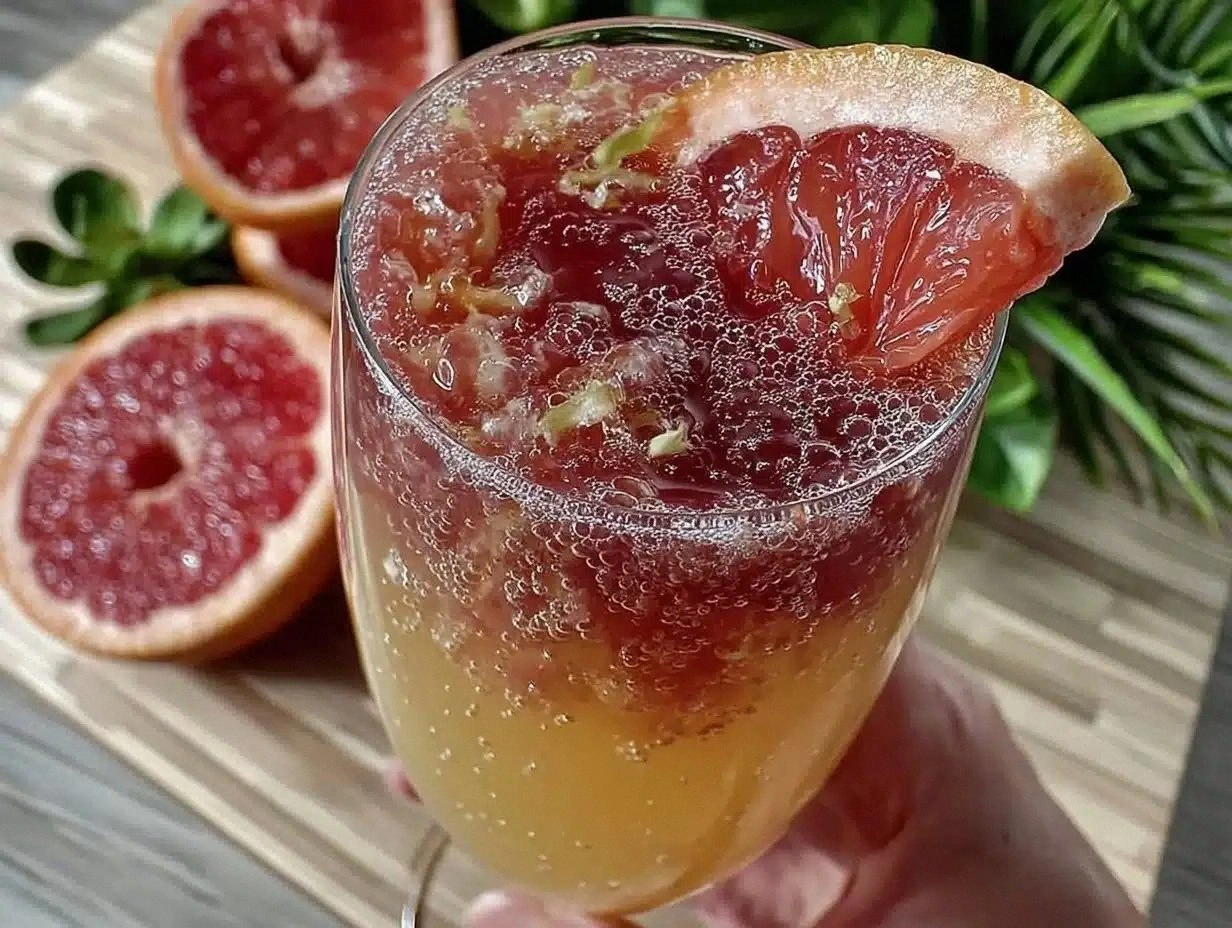
The Method — Step by Step
First, give your grapefruit a good roll on the countertop; this ruptures the membranes and makes juicing easier. Slice it in half and, using a handheld juicer or a reamer, extract about one cup of juice. You’ll hear that satisfying splash as the liquid hits the bowl— that sound? Pure anticipation.
While the juice is still fresh, stir in two tablespoons of simple syrup. Taste it; you should feel a gentle sweetness that softens the bitterness without masking the citrus. If it feels too sharp, add a half‑tablespoon more— trust your palate.
Now comes the chill factor: pour the grapefruit‑syrup mixture into a large pitcher and place it in the fridge for at least five minutes. This step isn’t optional; a cold base ensures the champagne stays bubbly when combined.
Kitchen Hack: Add a handful of ice cubes to the pitcher, then quickly discard them before adding champagne— it cools the juice without diluting the final drink.When you’re ready to serve, take a chilled flute and fill it one‑third of the way with the grapefruit mixture. The glass should be about a third full; this ratio guarantees each sip has a perfect balance of citrus to bubbles.
Slowly top the glass with chilled champagne, tilting the bottle slightly to preserve as many bubbles as possible. You’ll see a cascade of fizz that rises like a miniature fireworks display. The key is to pour gently; a rapid pour will cause the drink to foam over and lose its sparkle.
Give the drink a very gentle stir—just enough to marry the flavors without breaking the bubbles. You’ll notice the liquid turning a radiant pink‑orange, a visual cue that the flavors have intertwined.
Watch Out: Over‑stirring will deflate the champagne, leaving you with a flat, sad drink. Keep it light.Garnish each flute with a thin slice of grapefruit perched on the rim and, if you like, a mint leaf tucked into the glass. The garnish isn’t just for looks; the oils from the peel release as you sip, adding an aromatic layer that elevates the entire experience.
Serve immediately, preferably with a side of fresh fruit or a light pastry. The first sip should hit you with a bright citrus burst, followed by a silky, effervescent finish that lingers just long enough to make you sigh in contentment. I dare you to taste this and not go back for seconds.
Enjoy! And remember, the next time someone asks for a brunch cocktail, you now have a secret weapon that will make you the unofficial host of the morning.
That's it — you did it. But hold on, I've got a few more tricks that'll take this to another level...
Insider Tricks for Flawless Results
The Temperature Rule Nobody Follows
Keep everything ice‑cold: the juice, the simple syrup, and especially the champagne. Warm champagne loses its effervescence faster, turning your mimosa into a flat disappointment. I keep a bucket of ice beside the fridge, and I chill the glasses for at least ten minutes before pouring. The result? Bubbles that cling to the glass like tiny fireworks.
Why Your Nose Knows Best
Before you sip, take a deep sniff of the glass. The aroma of grapefruit should be bright, almost floral, with a faint hint of mint if you used it. If the scent leans too bitter, add a splash more simple syrup. Trusting your nose saves you from a mis‑balanced drink that would otherwise ruin the experience.
The 5‑Minute Rest That Changes Everything
After mixing the juice and syrup, let the blend rest for five minutes. This pause allows the flavors to meld, smoothing out any sharp edges. I once rushed this step and ended up with a drink that tasted like raw grapefruit— not the elegant brunch vibe I was aiming for.
Mint Magic
If you opt for mint, give the leaves a quick slap between your palms before dropping them in. This releases the essential oils, creating a subtle herbaceous note that brightens the finish without overpowering the citrus.
Champagne Choice Cheat Sheet
Brut works for a crisp, dry profile; extra dry adds a whisper of sweetness; rosé brings a blush hue and berry undertone. Experiment with a half‑and‑half blend to discover your personal perfect balance. I’ve found that a 70/30 split of brut to rosé yields a gorgeous color while keeping the palate clean.
Creative Twists and Variations
This recipe is a playground. Here are some of my favorite ways to switch things up:
Tropical Sunrise
Swap half the champagne for a coconut‑infused sparkling wine. Add a splash of pineapple juice and garnish with a pineapple leaf. The result is a beach‑vibe mimosa that transports you to a sunrise over the Pacific.
Spicy Citrus
Add a thin slice of jalapeño to the grapefruit juice while it rests, then strain. The subtle heat pairs surprisingly well with the sweet bubbles, creating a mimosa that wakes up the palate.
Herbal Harmony
Replace mint with a sprig of rosemary or thyme. The herbaceous note adds depth, making the drink feel more sophisticated— perfect for a brunch with a garden theme.
Berry‑Boosted
Muddle a handful of fresh raspberries into the simple syrup before mixing. The berries add a gentle tartness and a gorgeous pink hue that looks stunning in a glass.
Low‑Sugar Light
Use a sugar‑free simple syrup or a drizzle of agave nectar. This keeps the calories low while preserving the essential balance between bitter and sweet.
Storing and Bringing It Back to Life
Fridge Storage
Store any leftover grapefruit‑syrup mixture in a sealed glass jar for up to three days. Keep it in the coldest part of the fridge to maintain its bright flavor. When you’re ready to serve again, simply give it a quick shake and top with fresh champagne.
Freezer Friendly
If you’ve juiced a large batch of grapefruit, pour the juice into ice‑cube trays and freeze. Once solid, transfer the cubes to a zip‑top bag. You can pop a couple of cubes into a pitcher whenever you need a quick refill.
Best Reheating Method
Never microwave the juice; it destroys the fresh citrus notes. Instead, gently warm the mixture in a saucepan over low heat, adding a splash of water if it seems too thick. This revives the aroma without cooking the juice, preserving that bright, fresh character.