Picture this: it’s a rainy Saturday afternoon, the kind where you’re stuck inside, scrolling through endless recipe blogs, and suddenly a friend texts you a dare – “Make me a muffin that’s softer than a cloud and tangier than a summer romance.” I laughed, rolled my eyes, and thought, “Challenge accepted.” Little did I know that my failed attempt at a classic blueberry muffin, which turned into a soggy mess that could have doubled as a paperweight, would become the catalyst for the ultimate rhubarb Greek yogurt muffin. I was determined to crack the code, to create a muffin that would make you gasp, “I dare you to taste this and not go back for seconds.”
The kitchen was a symphony of sounds: the rhythmic whisking of butter and sugar, the sizzle of the oven preheating like a low‑growl engine, and the occasional clatter of a rogue rhubarb stalk hitting the counter. The air was thick with the sweet‑tart perfume of fresh rhubarb, a scent that instantly reminded me of spring markets and my grandmother’s garden. My hands felt the cool, creamy glide of Greek yogurt as it merged with the softened butter, creating a batter that promised a moist crumb without the heaviness of oil. The moment I lifted the spoon, the batter fell back into the bowl with a velvety sheen, like liquid silk waiting to be transformed.
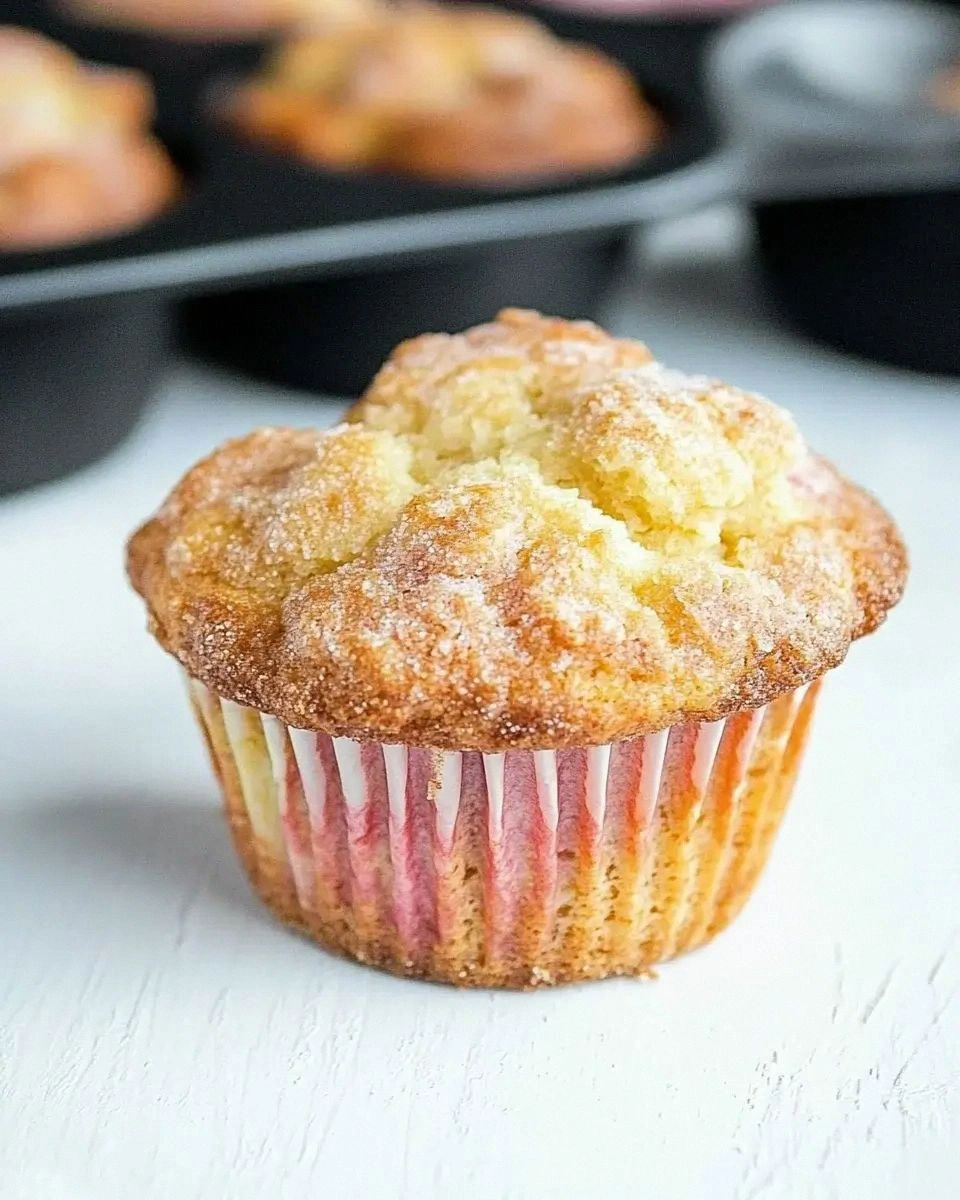
What sets this version apart from every other muffin you’ve ever tried? For starters, the Greek yogurt isn’t just a sneaky way to add protein; it’s the secret weapon that keeps the crumb tender while delivering a subtle tang that balances the rhubarb’s natural acidity. Most recipes either drown the rhubarb in sugar or bake it into a soggy mess. I’ve cracked the balance by tossing the rhubarb in a light cinnamon‑sugar coating that caramelizes just enough to give those bite‑size bursts of flavor without turning the muffin into a pie. And the butter? It’s melted and then cooled, ensuring the muffin rises perfectly while still feeling buttery soft.
But the real game‑changer? A pinch of baking soda paired with baking powder, creating a double‑lift system that yields a dome that’s golden on the top and feather‑light inside. I’m not exaggerating when I say this is hands down the best version you’ll ever make at home – it’s the muffin that makes you question every other baked good you’ve ever known. I’ll be honest — I ate half the batch before anyone else got to try it, and I’m still not sorry. Okay, ready for the game‑changer? Let me walk you through every single step — by the end, you’ll wonder how you ever made it any other way.
What Makes This Version Stand Out
- Texture: The combination of Greek yogurt and melted butter creates a crumb that’s soft enough to melt on your tongue, yet sturdy enough to hold the juicy rhubarb without crumbling.
- Flavor Balance: The tang of yogurt, the tartness of rhubarb, and the warm whisper of cinnamon dance together like a well‑rehearsed trio.
- Simplicity: Only eleven ingredients, all pantry‑friendly, mean you won’t need a trip to the specialty store.
- Speed: From prep to plate in under an hour – perfect for a quick brunch or an after‑school snack.
- Crowd Reaction: These muffins have a habit of disappearing within minutes of being set out, earning the nickname “the vanishing act.”
- Ingredient Quality: Using full‑fat Greek yogurt adds richness without extra fat, while fresh rhubarb provides a natural brightness.
- Cooking Method: The oven’s steady heat and the muffin tin’s metal conductance give you a uniform rise and a golden top.
- Make‑Ahead Potential: Freeze them, reheat, and they taste just as fresh as the day they were baked.
Alright, let's break down exactly what goes into this masterpiece...
Inside the Ingredient List
The Flavor Base
Greek yogurt is the unsung hero here. Its mild acidity not only tenderizes the crumb but also amplifies the rhubarb’s tartness, creating a harmonious contrast. If you substitute regular yogurt, expect a thinner texture and a less pronounced tang. For a dairy‑free twist, try a thick coconut‑milk yogurt, but be prepared for a subtle coconut undertone that will shift the flavor profile.
The Texture Crew
All‑purpose flour provides the structural backbone, while the duo of baking powder and baking soda ensures a lofty rise. The baking soda reacts with the yogurt’s acidity, giving you that signature dome that’s crisp on top yet cloud‑soft inside. If you’re gluten‑sensitive, a 1‑to‑1 swap with a gluten‑free blend works, just make sure it contains xanthan gum for elasticity.
The Unexpected Star
Rhubarb, often relegated to pies, shines in muffin form. Its natural pectin helps bind the batter, preventing the dreaded soggy center. Cut the stalks into ½‑inch pieces and toss them in a mixture of ¼ cup sugar and ½ tsp cinnamon – this light coating caramelizes during baking, delivering those sweet‑spicy pockets that make each bite unforgettable. If rhubarb isn’t in season, try a mix of strawberries and a splash of lemon juice for a similar tart‑sweet dynamic.
The Final Flourish
Butter adds richness and flavor depth, but the key is to melt it gently and let it cool before mixing. This prevents the batter from heating up too quickly, which could cause premature leavening. A pinch of cinnamon rounds out the flavor, echoing the warmth of a spring kitchen. Salt, though modest, is essential – it accentuates the sweetness and balances the tang.
Everything's prepped? Good. Let's get into the real action...
The Method — Step by Step
Preheat your oven to 375°F (190°C). While the oven warms, line a 12‑cup muffin tin with paper liners or grease it with a light brush of butter. The moment the heat hits the tin, it creates a tiny steam pocket that helps the muffins rise evenly. This is the moment of truth – the oven’s temperature is the silent conductor of your muffin symphony.
In a medium bowl, whisk together the flour, baking powder, baking soda, salt, and cinnamon. This dry blend should look like a uniform, speck‑free cloud. If you see any clumps, break them up with a fork; those little pockets can cause uneven texture later on.
In a separate large bowl, combine the melted butter and granulated sugar. Beat them with an electric mixer on medium speed until the mixture is pale and fluffy, resembling a sunrise‑kissed sky. This aeration step is crucial – it traps air that will later expand, giving you that coveted dome.
Add the Greek yogurt, eggs, and vanilla extract to the butter‑sugar mixture. Beat on low speed until everything is just incorporated; over‑mixing here can develop gluten, leading to a tougher crumb. The batter should look thick yet pourable, like a rich custard.
Gradually add the dry ingredients to the wet mixture, folding gently with a spatula. Stop mixing as soon as you see no streaks of flour; the batter should be a bit lumpy. Over‑mixing is the silent killer of muffin fluffiness.
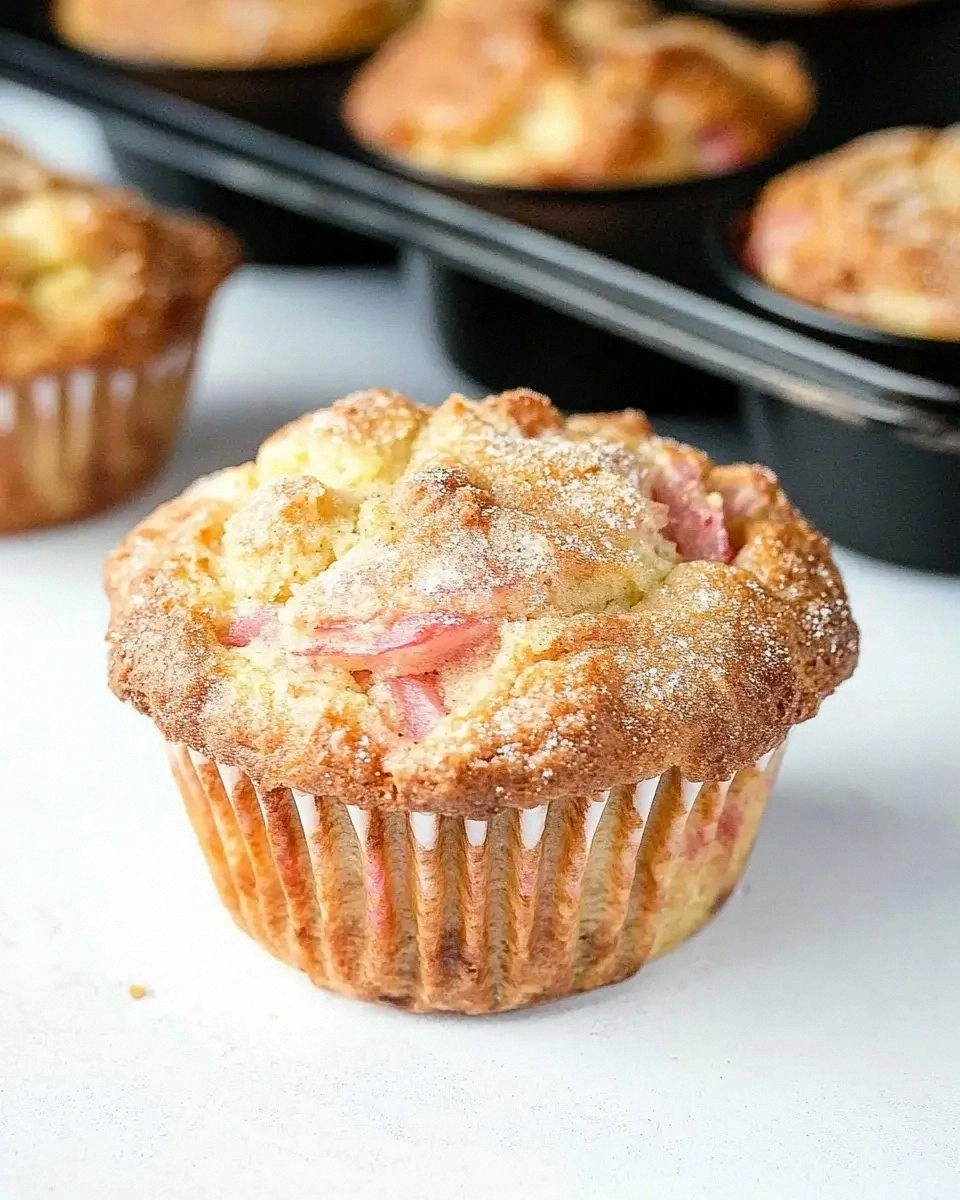
Now, fold in the rhubarb pieces that have been tossed in cinnamon‑sugar. They should be evenly distributed, creating pink‑orange speckles throughout the batter. If you’re feeling adventurous, reserve a few pieces to sprinkle on top for an extra burst of caramelized goodness.
Divide the batter evenly among the muffin cups, filling each about three‑quarters full. This ensures a tall, proud muffin that won’t overflow. The edges will start pulling away from the sides of the tin as they bake – that’s the visual cue you’re on the right track.
Slide the tin into the oven and bake for 20‑25 minutes, or until a toothpick inserted into the center comes out with just a few moist crumbs. The tops should be golden‑brown, with a faint crackle that hints at the soft interior. Around the 15‑minute mark, rotate the tin halfway for an even bake – this tiny step prevents one side from turning a darker shade.
When the timer dings, remove the muffins and let them cool in the tin for five minutes. Then, transfer them to a wire rack to finish cooling. The residual steam will keep the crumb tender, while the rack prevents the bottoms from getting soggy.
That's it — you did it. But hold on, I've got a few more tricks that'll take this to another level. Stay with me here — this is worth it.
Insider Tricks for Flawless Results
The Temperature Rule Nobody Follows
Never bake muffins straight from a cold batter. Let the batter sit at room temperature for 10 minutes before sliding it into the oven. This tiny pause allows the leavening agents to activate fully, giving you a higher rise. I once tried to rush the process and ended up with flat, dense muffins – a lesson learned the hard way.
Why Your Nose Knows Best
When the muffins are about 15 minutes in, start sniffing. A sweet, slightly nutty aroma means the butter is caramelizing just right. If you smell a burnt scent early, lower the oven temperature by 10°F and cover the tops loosely with foil to prevent over‑browning.
The 5‑Minute Rest That Changes Everything
After removing the muffins from the oven, let them rest in the tin for exactly five minutes before transferring. This short rest lets the steam finish cooking the center gently, preventing a gummy middle. Skipping this step leads to a crumb that’s too wet, which is the opposite of the cloud‑like texture we’re after.
Rhubarb Prep Perfection
Before tossing rhubarb in sugar and cinnamon, give it a quick 30‑second blanch in boiling water, then shock it in ice water. This softens the fibers just enough to prevent raw crunch while preserving its bright color. A friend tried skipping this step once – the result was a startlingly fibrous bite that ruined the whole batch.
Butter Temperature Tactics
After melting the butter, let it cool to about 70°F before mixing with the sugar. Warm butter blends better, creating a smoother batter, while cool butter can cause the mixture to seize, leading to a gritty texture. This is pure magic for achieving that melt‑in‑your‑mouth mouthfeel.
Creative Twists and Variations
This recipe is a playground. Here are some of my favorite ways to switch things up:
Berry Burst
Swap half of the rhubarb for fresh strawberries, diced into ¼‑inch pieces. The strawberries add a burst of juiciness and a hint of natural sweetness, perfect for those who prefer less tartness.
Citrus Zing
Add the zest of one lemon or orange to the batter and replace half of the yogurt with orange‑flavored Greek yogurt. The citrus lifts the flavor profile, making the muffins feel bright and summery.
Nutty Crunch
Fold in ¼ cup toasted chopped almonds or walnuts. The nuts provide a satisfying crunch that contrasts beautifully with the soft crumb and the tender rhubarb.
Spiced Autumn
Introduce a pinch of ground nutmeg and a drizzle of maple syrup over the batter before baking. This variation leans into warm autumnal flavors, perfect for a cozy brunch.
Vegan Velvet
Replace the butter with coconut oil, the Greek yogurt with a thick soy‑based yogurt, and the eggs with flax “egg” (2 tbsp ground flaxseed mixed with 6 tbsp water). The result is a plant‑based muffin that still boasts that signature softness.
Gluten‑Free Glory
Swap the all‑purpose flour for a gluten‑free blend that contains xanthan gum. The texture remains tender, and you won’t miss the wheat at all.
Storing and Bringing It Back to Life
Fridge Storage
Place the cooled muffins in an airtight container and store them in the refrigerator for up to four days. The moisture from the yogurt helps them stay soft, but for an extra freshness boost, line the container with a paper towel to absorb any excess condensation.
Freezer Friendly
Wrap each muffin individually in plastic wrap, then place them in a zip‑top freezer bag. They’ll keep for up to three months. When you’re ready to enjoy one, let it thaw at room temperature for 15 minutes, then give it a quick 30‑second zap in the microwave.
Best Reheating Method
To revive that just‑baked softness, place the muffin on a microwave‑safe plate, sprinkle a tiny splash (about a teaspoon) of water around the edge, and heat for 20‑30 seconds. The steam created by the water re‑hydrates the crumb, making it taste as if it just emerged from the oven.