I still remember the day I ruined three pots of pasta trying to impress my mother-in-law with what I thought would be a simple spring side dish. There I was, standing in my steamy kitchen, orzo clumping like wet cement while my asparagus turned that unappetizing army-green color that screams "I gave up on life." The lemon zest I'd optimistically sprinkled over the top looked like neon dandruff scattered across a lumpy mess. My mother-in-law, bless her heart, took one polite bite and asked if I'd considered a career in abstract art instead of cooking.
Fast forward through three years of obsessive testing, and I've cracked the code to what might be the most addictive spring pasta dish you'll ever taste. This isn't just another lemony orzo recipe floating around the internet — this is the version that made my Italian neighbor demand the recipe in exchange for her grandmother's secret tiramisu formula. The difference? It's all in the technique, the timing, and one unexpected ingredient that transforms everything you thought you knew about spring vegetables.
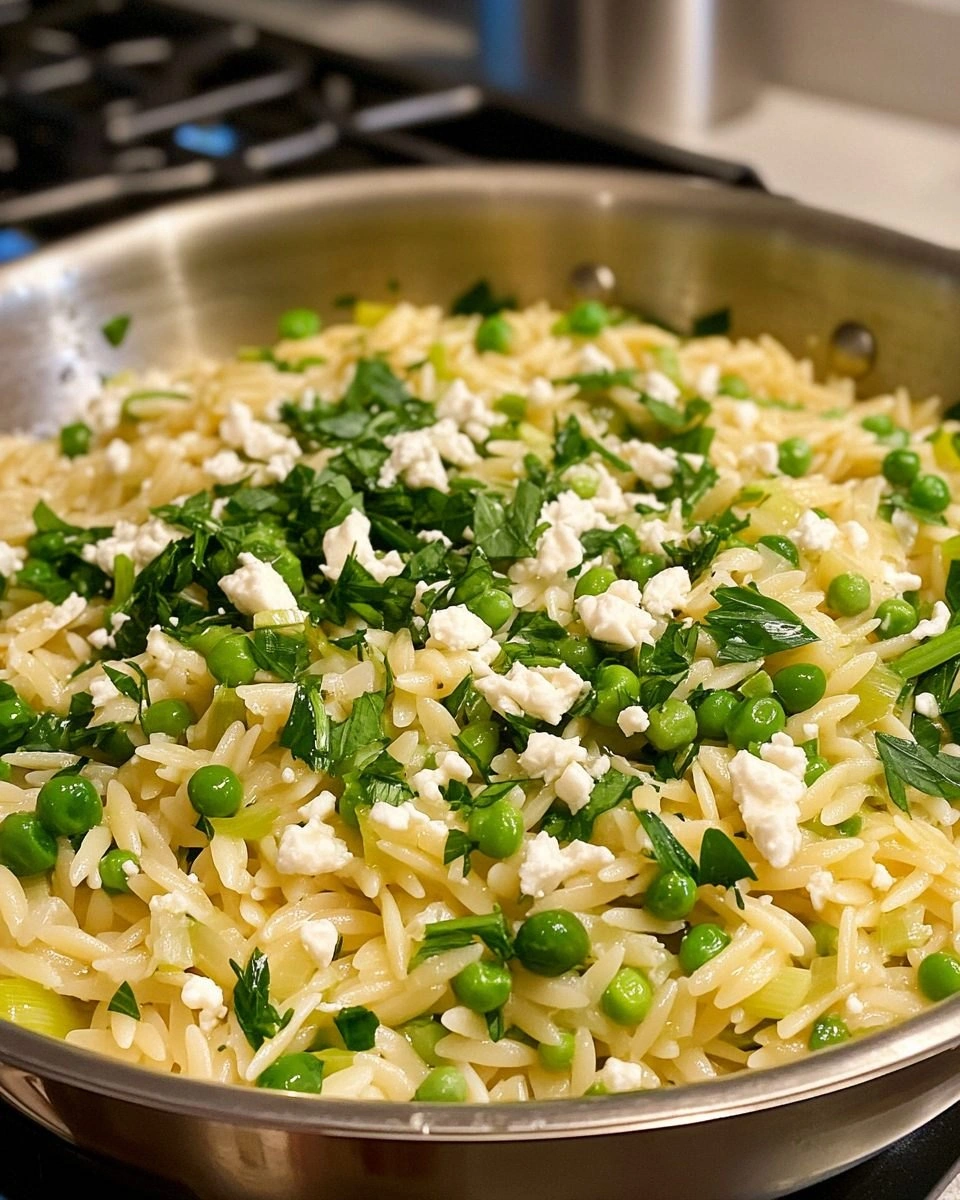
Picture this: tender orzo pearls that stay perfectly al dente, not mushy or stuck together like kindergarten paste. Asparagus that stays vibrant green with just the right snap, peas that pop with sweetness, and spinach that wilts into silky ribbons rather than disintegrating into sad green strings. The lemon doesn't just sit on top like an afterthought — it weaves through every bite like sunshine captured in food form. And that optional feta? It melts into little pockets of salty creaminess that make you close your eyes and sigh involuntarily.
Stay with me here — this is worth it. I'm about to show you how to make spring taste like it should: bright, fresh, and so good that you'll find yourself making excuses to cook it twice a week. By the time we're done, you'll understand why most recipes get this completely wrong, and you'll have a foolproof method that works every single time. Let me walk you through every single step — by the end, you'll wonder how you ever made it any other way.
What Makes This Version Stand Out
- Velvet-Coat Technique: Instead of just boiling orzo in plain water, we create a starchy base that helps the lemon sauce cling to every grain like liquid gold. Most recipes skip this step and end up with sauce that pools at the bottom of the bowl, leaving you with bland pasta on top and a puddle of disappointment below.
- Color-Locked Vegetables: Through strategic timing and temperature control, each vegetable maintains its optimal texture and color. Your asparagus stays emerald and snappy, peas remain jewel-bright, and spinach wilts into silk rather than swampy strings that look like they died three days ago.
- Layered Lemon Magic: We build lemon flavor in three waves — zest infuses the oil, juice brightens the finish, and a secret ingredient (hint: it's preserved lemon) adds depth that makes people ask "what's that amazing flavor?" without being able to put their finger on it.
- One-Pan Wonder: Everything cooks in the same pot, building flavors on top of each other instead of dirtying every dish in your kitchen. The pasta water becomes the sauce base, the vegetables steam in the same pan, and the herbs go in at exactly the right moment to stay fresh rather than tasting like lawn clippings.
- Crowd-Pleasing Balance: This isn't some health-food compromise that tastes like punishment. It's rich enough to satisfy comfort food cravings, light enough for spring, and adaptable enough to make vegetarians and carnivores equally happy. Even my teenage nephew who thinks vegetables are poisonous asks for seconds.
- Make-Ahead Genius: Unlike most pasta salads that turn into a gluey mess overnight, this actually improves as it sits. The flavors meld, the vegetables stay crisp, and it works equally well warm, room temperature, or cold straight from the fridge at midnight when you're standing in your pajamas.
Alright, let's break down exactly what goes into this masterpiece...
Inside the Ingredient List
The Flavor Base
Leeks are the unsung heroes here — sweeter and more delicate than onions, they melt into the orzo and create a flavor foundation that makes people ask "how did you make this taste so complex?" White and light green parts only, sliced paper-thin so they disappear into the dish rather than becoming stringy obstacles. Skip the dark green tops; they're tough and can taste bitter, like they hold grudges about being included.
Extra-virgin olive oil matters more than you think. Use something decent — not the fancy stuff you save for special occasions, but not the bargain basement oil that tastes like melted crayons. You want fruity and fresh, because it's carrying the lemon zest and herbs. Cheap oil makes the whole dish taste like a gas station salad bar.
The Texture Crew
Orzo is technically a pasta, but it behaves like rice's sophisticated cousin. Look for brands with rough, not shiny surfaces — they grab sauce better and don't turn to mush. The trick is treating it like risotto rather than regular pasta, stirring frequently to release starch that creates our silky sauce. If you can't find orzo, small pastas like stellette work too, but you'll need to adjust timing.
Asparagus selection makes or breaks this dish. Choose spears that are about finger-thick — too thin and they disappear, too thick and they're woody. The tips should be tight and closed, not flowering open like they're trying to escape. Snap off the bottoms where they naturally break rather than cutting — nature shows you exactly where the tender part ends.
The Unexpected Star
Here's where most recipes go wrong with peas. If you're using frozen (and honestly, most of the time you should — they're frozen at peak freshness), don't thaw them first. Toss them in still frozen so they don't turn to mush. Fresh peas are lovely but require shelling, and unless you're getting them from a farmers market, they might be starchy and old.
Baby spinach wilts in seconds, adding color and nutrition without the metallic taste that mature spinach can have. Buy it fresh — the pre-washed bags are convenient but often sit around long enough to develop that sad, slightly slimy texture. If your spinach smells like a pond, it's too old and will make everything taste like you're eating a backyard science experiment.
The Final Flourish
Fresh dill and chives aren't just garnish — they're essential flavor components that wake everything up. Dried herbs won't work here; they'll taste like dusty library books. Chop them right before using, not hours ahead when they lose their bright notes. The dill should smell like a summer garden, not like soap or pickles.
Feta adds creamy pockets of salty goodness, but here's the secret: buy it in brine, not the pre-crumbled dry stuff that tastes like salty chalk. The brined version stays moist and melts slightly into the warm orzo, creating little moments of richness that make people close their eyes when they taste it.
Everything's prepped? Good. Let's get into the real action...
The Method — Step by Step
- Start by heating your largest, heaviest pot over medium heat. Add the olive oil and wait until it shimmers but doesn't smoke — about 90 seconds. You're looking for that sweet spot where a piece of leek sizzles enthusiastically when it hits the oil but doesn't burn. Add your sliced leeks and stir immediately to coat them in oil. Cook for 4-5 minutes, stirring every 30 seconds or so, until they turn translucent and start to smell sweet rather than sharp. This is where most people rush and end up with bitter, undercooked leeks that ruin the whole dish.
- While the leeks are doing their thing, zest your lemon directly over the pot using a microplane. The oils from the zest hit the warm leeks and create this incredible aroma that makes your kitchen smell like a Mediterranean vacation. Stir for another 30 seconds — don't let the zest brown or it'll taste bitter. Your kitchen should smell bright and citrusy, like someone bottled spring sunshine and added it to your pan.
- Now comes the game-changing part: add your orzo directly to the pot with the leeks. Stir constantly for 2-3 minutes until the pasta turns slightly golden and smells toasty. This step is pure magic — it creates a nutty flavor base and helps the pasta stay separate later. The grains will start to look pearly and slightly translucent around the edges. If you've ever had orzo that tastes like bland library paste, it's because this step got skipped.
- Pour in 3 cups of hot water (or vegetable broth if you're feeling fancy) and add that crucial half teaspoon of salt. Bring it to a boil, then reduce to a lively simmer. Here's what most recipes get wrong: they treat orzo like regular pasta and dump it in a big pot of water. Instead, we're cooking it risotto-style, stirring every few minutes so it releases starch and creates its own sauce. After about 8 minutes, the liquid should be mostly absorbed and the orzo should be just shy of al dente.
- This is where timing gets crucial. Add your asparagus pieces and stir them in. They need about 4 minutes to become tender-crisp, staying bright green with a satisfying bite. After 2 minutes, scatter in the frozen peas — they'll defrost almost instantly in the hot orzo. The goal is vegetables that taste like spring, not like they've been boiled into submission by someone who gave up on life.
- Now for the fun part: throw in the baby spinach by the handful, stirring as it wilts into silky ribbons. It looks like way too much at first, but spinach shrinks dramatically — start with what seems like an absurd amount. Within 30 seconds, it'll transform from a mountain into delicate green threads woven throughout the orzo. If your spinach turns army green and mushy, your pan was too hot.
- Turn off the heat and let everything rest for exactly 2 minutes. This isn't just being fussy — it allows the flavors to meld and prevents the herbs from turning brown and bitter. While you're waiting, juice half your lemon and chop your herbs. The kitchen should smell like a garden in the best possible way, not like someone mowed the lawn and left clippings in the sun.
- Stir in the fresh dill, chives, and lemon juice. The herbs should stay bright and perky, not wilted and sad. Add the feta if you're using it, letting it melt slightly into warm pockets of creaminess. Taste and adjust — you might want more lemon, more salt, or if you're like me, more feta because cheese makes everything better. Serve immediately if you want it warm, or let it cool to room temperature for the flavors to develop even more.
That's it — you did it. But hold on, I've got a few more tricks that'll take this to another level...
Insider Tricks for Flawless Results
The Temperature Rule Nobody Follows
Here's the thing about spring vegetables: they're delicate little prima donnas that throw tantrums if you don't treat them right. Asparagus turns from vibrant emerald to swampy olive the second it overcooks, and peas go from sweet pops of joy to mushy sadness faster than you can say "dinner's ready." The secret is keeping your pan at a gentle simmer, not a rolling boil that roughs up your vegetables. Think of it as a spa treatment, not a torture session.
I learned this the hard way after serving what my husband affectionately calls "The Green Mush Incident of 2019." The vegetables were so overcooked they looked like they'd been through a blender set to "obliterate." Now I keep a thermometer nearby and aim for 180-190°F once I add the vegetables. It sounds fussy, but it's the difference between restaurant-quality and "why does this taste like cafeteria food?"
Why Your Nose Knows Best
Forget timers — your nose is the most sophisticated kitchen tool you own. When the leeks are perfectly cooked, they'll smell sweet and buttery, not sharp and oniony. The lemon zest hits a point where it smells like you just peeled an actual lemon rather than some sad, dried-out citrus impostor. And when everything comes together, your kitchen should smell like you're walking through a Mediterranean garden at dawn, not like someone set a salad bar on fire.
A friend tried making this while FaceTiming me, and I could tell from the sound when she needed to stir just by the change in sizzle. Cooking becomes intuitive when you pay attention to all your senses, not just following a timer like a kitchen robot. Trust me — after you make this a few times, you'll know it's ready by the way it smells rather than what the clock says.
The 5-Minute Rest That Changes Everything
Okay, ready for the game-changer? After you turn off the heat, walk away for exactly 5 minutes. I know, I know — you're starving, it smells amazing, and your family is circling like vultures. But here's what happens in those crucial minutes: the residual heat finishes cooking the orzo to perfect al dente, the flavors have time to meld together, and the temperature drops to that magical point where the feta melts into creamy pockets instead of just sitting there like salty pebbles.
This rest also prevents the fresh herbs from wilting into sad, brown strings. They stay perky and bright, adding pops of fresh flavor instead of tasting like someone accidentally mowed the lawn into your dinner. I've timed it — the difference between eating immediately and waiting those 5 minutes is the difference between good and "holy cow, what did you put in this?"
Creative Twists and Variations
This recipe is a playground. Here are some of my favorite ways to switch things up:
The Protein Powerhouse
Add a cup of cooked, shredded chicken right at the end for a complete meal that satisfies even the "where's the meat?" crowd. Rotisserie chicken works perfectly — just shred it into bite-sized pieces and let it warm through for a minute. The lemon and herbs complement chicken so well that people will think you planned this as a sophisticated main dish rather than a clever way to use up leftovers.
The Mediterranean Sunset
Swap the feta for goat cheese and add a handful of sun-dried tomatoes along with some chopped Kalamata olives. The goat cheese melts into tangy creaminess while the tomatoes add little bursts of concentrated sunshine. Add some fresh oregano along with the dill, and suddenly you're eating on a Greek island instead of standing over your stove in whatever season this is.
The Spicy Spring
Add a pinch of red pepper flakes when you're cooking the leeks for a gentle warmth that builds rather than overwhelms. The spice plays beautifully against the bright lemon and sweet vegetables. If you're feeling bold, add some diced preserved lemon peel for an extra punch of citrus complexity that makes people ask "what's that amazing flavor?"
The Vegan Victory
Omit the feta and add a handful of toasted pine nuts for richness and crunch. The nuts toast in the residual heat and add little pockets of buttery flavor that make up for the missing cheese. A drizzle of good olive oil at the end adds richness without any dairy, proving that vegan food doesn't have to taste like punishment.
The Deluxe Edition
Add some sautéed shrimp during the last 2 minutes of cooking for an elegant dinner party version. The shrimp turn pink and curl into sweet crescents that look like they cost way more than they did. A splash of white wine added with the lemon juice elevates this from Tuesday dinner to Saturday night special without any extra effort.
The Winter Survival Mode
When spring vegetables aren't looking their best, substitute with roasted butternut squash cubes and sautéed mushrooms. The technique stays the same, but you get a cozy, comfort food version that works when there's snow on the ground and spring feels like a cruel joke. Add some sage along with the herbs for that autumn warmth that makes everything feel better.
Storing and Bringing It Back to Life
Fridge Storage
This keeps beautifully for up to 4 days in an airtight container, making it the MVP of meal prep. The flavors actually improve as they mingle, unlike most pasta dishes that turn into a gluey mess overnight. Store it in glass containers rather than plastic — the lemon can interact with plastic and create off-flavors that make everything taste like a chemical experiment gone wrong.
Freezer Friendly
While you can freeze it, I recommend doing so without the fresh herbs and feta. Portion it into freezer bags, squeeze out all the air, and it'll keep for 2 months. When you're ready to eat, thaw overnight in the fridge, then refresh it with fresh herbs and feta. The vegetables will be softer than fresh, but sometimes convenience wins over perfection.
Best Reheating Method
For the love of all that's holy, don't microwave this into rubbery submission. Instead, add a splash of water or broth to a pan, add your portion, and warm gently over medium-low heat, stirring frequently. The water creates steam that brings everything back to life without turning it into a dry, sad mess. Add fresh herbs at the end for that just-made brightness that makes people think you're a kitchen wizard who never serves leftovers.